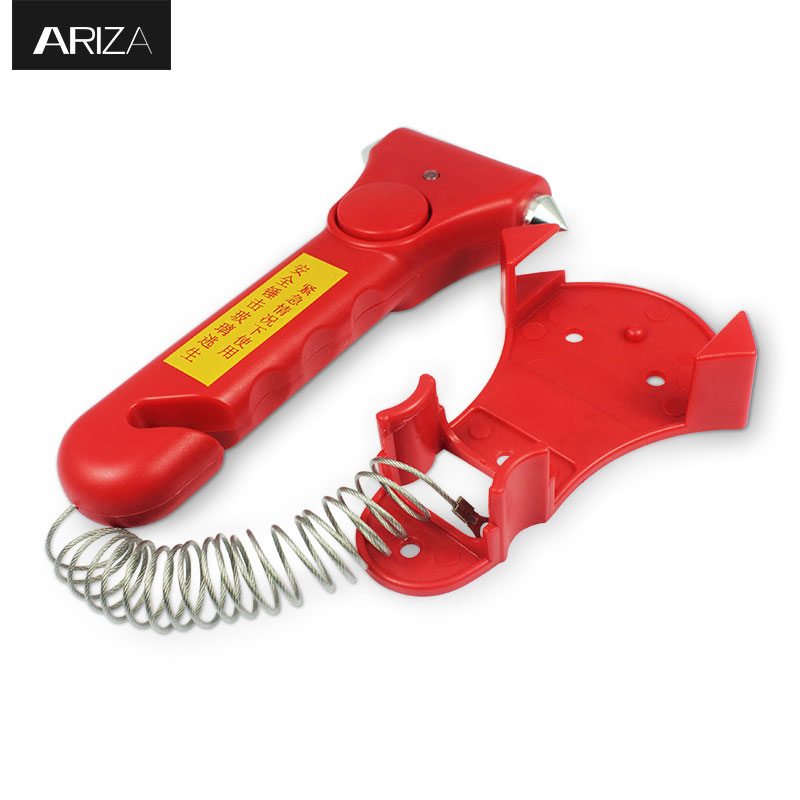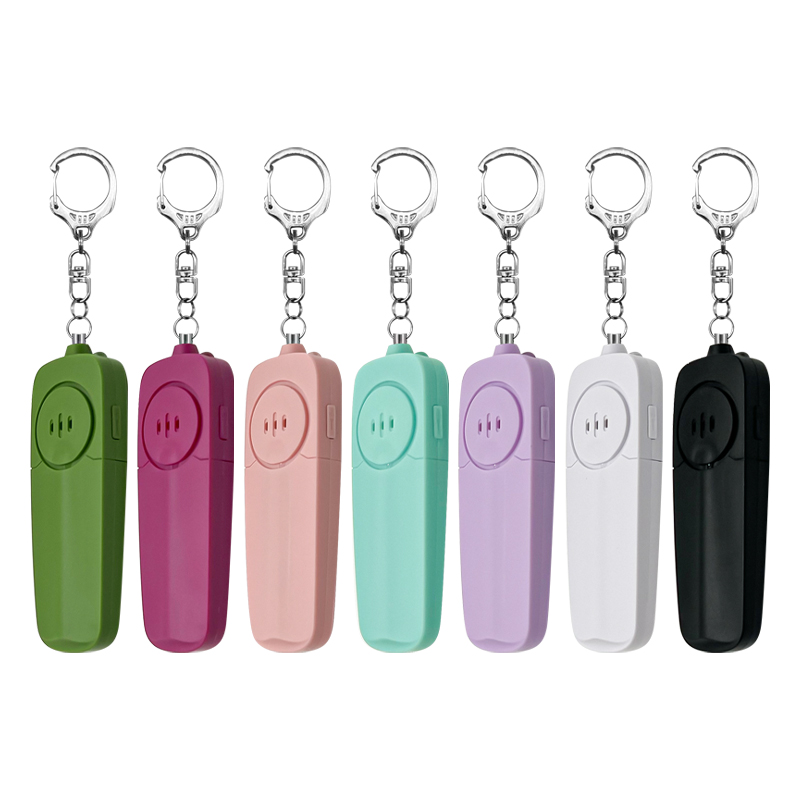



Featured Security Solutions for Public Spaces
The Evolution of Access Monitoring in Public Facilities
Modern urbanization and the rise of the sharing economy have drastically altered how we interact with physical environments. Public facilities—ranging from municipal libraries, transport hubs, and government buildings to shared spaces like co-working offices, 24-hour gyms, and short-term rental properties—face unprecedented security challenges. In these high-traffic environments, traditional lock-and-key systems are no longer sufficient. Facility managers require real-time visibility, automated enforcement, and intelligent deterrence to protect property, ensure compliance, and guarantee occupant safety.
At the center of this security paradigm shift is the humble door alarm, which has evolved from a basic localized siren into a highly sophisticated, network-integrated IoT device. Today's commercial door alarms act as the first line of defense, preventing unauthorized entry, monitoring emergency egress routes, and detecting environmental anomalies. By integrating multi-scene voice prompts, magnetic sensors, and wireless connectivity, these devices empower facility operators to maintain strict oversight without compromising the accessibility of public spaces.
Commercial and Industrial Status of Smart Access Monitoring
The global smart commercial security market is experiencing exponential growth, driven by the demand for automation and the integration of AI-driven sensors. In public and shared spaces, security managers are shifting from reactive systems (such as reviewing CCTV footage after an incident) to proactive, real-time alert systems. Wireless, battery-powered door sensors are leading this transition due to their low installation costs, structural versatility, and minimal maintenance overhead.
Industry Insight: The integration of IoT technology in public facility management has led to a 40% reduction in unauthorized entry incidents and a significant drop in operational maintenance costs by replacing hardwired infrastructure with intelligent, low-power wireless nodes.
Industrial facilities, logistics hubs, and shared workspaces are increasingly adopting magnetic door alarms to enforce safety protocols and zoning regulations. For instance, in temperature-controlled warehouses or cleanrooms, a door left open for even a few minutes can compromise sensitive goods or sterile environments. Door alarms equipped with customizable delay settings and voice prompts warn staff immediately, preventing costly compliance failures.
Addressing Security Challenges in Shared Environments
Shared spaces present a unique set of security vulnerabilities because they are designed to be accessible yet secure. Facility managers must constantly balance ease of entry for authorized users with robust deterrence against bad actors. Key challenges include:
- Tailgating and Piggybacking: Unauthorized individuals slipping through doors behind authorized personnel in co-working spaces or private clubhouses.
- Vandalism and Theft: High-traffic public restrooms, storage rooms, and utility closets are frequently targeted for vandalism or unauthorized resource usage.
- Emergency Exit Compliance: Fire exits must remain unlocked from the inside for safety, yet secured from the outside to prevent unauthorized entry or shoplifting in retail environments.
- Environmental Risks: The rising concern of vaping and smoking in public restrooms, schools, and shared facilities, which requires specialized detection systems linked to voice and visual alerts.
Technological Trends: IoT, Wireless Connectivity, and Smart Integration
The next generation of door alarms is characterized by several key technological advancements:
1. Wireless and Battery-Powered Architecture
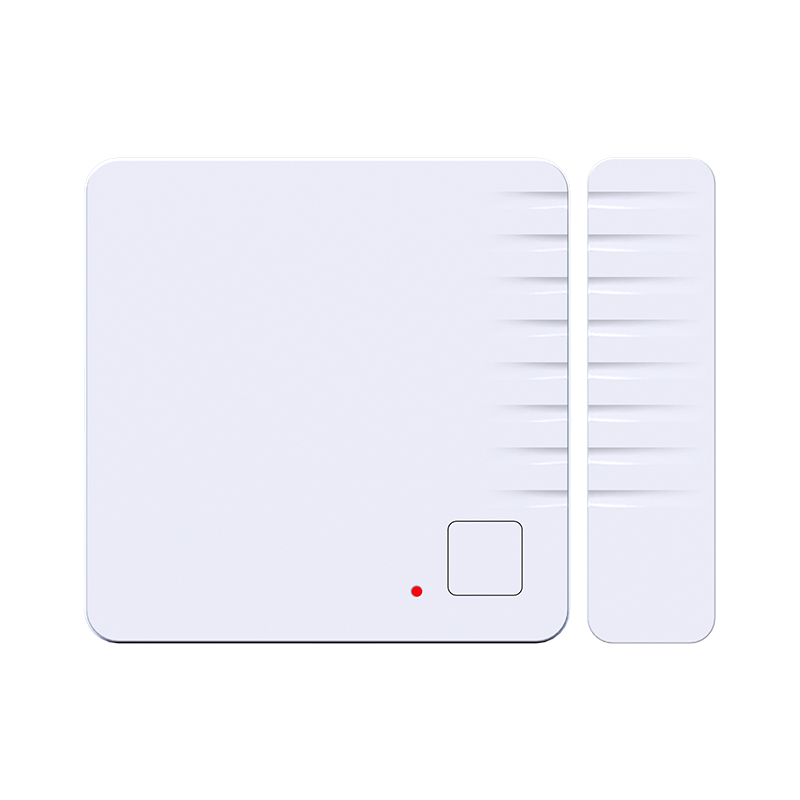
Retrofitting older public buildings with wired security systems is cost-prohibitive and structurally disruptive. Modern solutions, such as the F02 Wireless Door Alarm, run on high-efficiency batteries, providing years of operation without requiring complex cabling. This allows rapid deployment across hundreds of doors in a single campus.
2. Multi-Scene Voice Prompts and Intelligent Audio Alerts
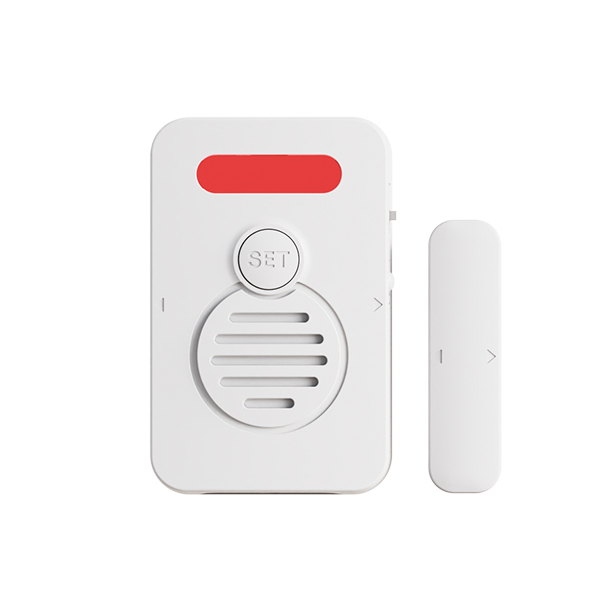
Traditional high-pitched sirens can cause panic or be ignored as background noise. Devices like the MC-08 utilize clear, localized voice prompts (e.g., "Emergency exit door open, please close immediately") to guide public behavior effectively. In areas like shared office pantries or public restrooms, a polite voice prompt is far more effective at enforcing rules than a jarring alarm.
3. Environmental Sensor Integration
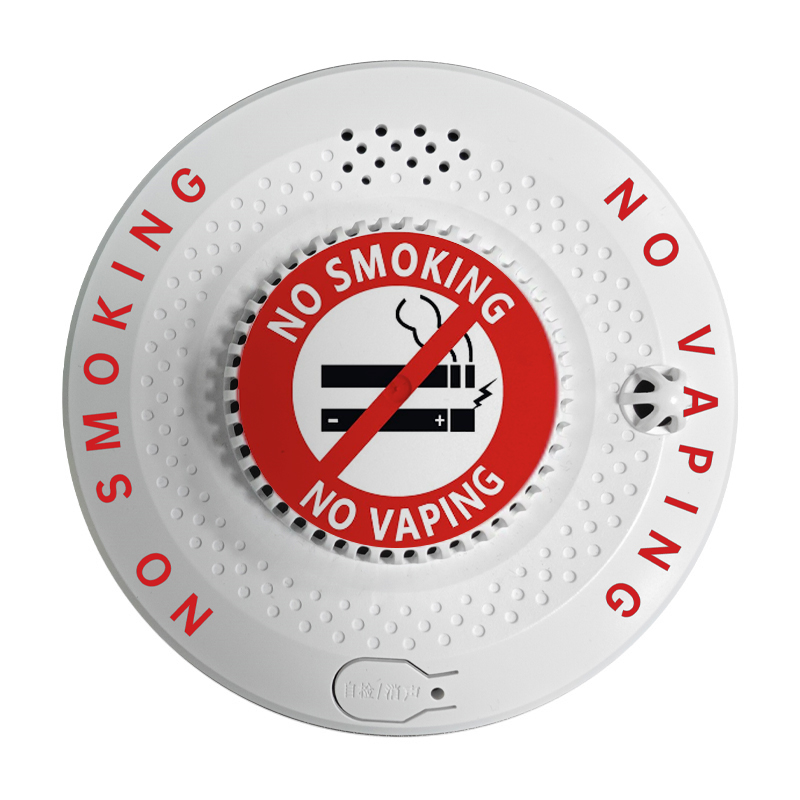
Access control is merging with environmental monitoring. The integration of vape detectors and air quality sensors within security frameworks—such as restroom door monitoring systems—allows facility managers to address illicit behaviors immediately. Real-time remote alerts via smart hubs ensure that staff can respond before property damage or health code violations occur.
4. Seamless Smart Hub and GPS Tracking Integration
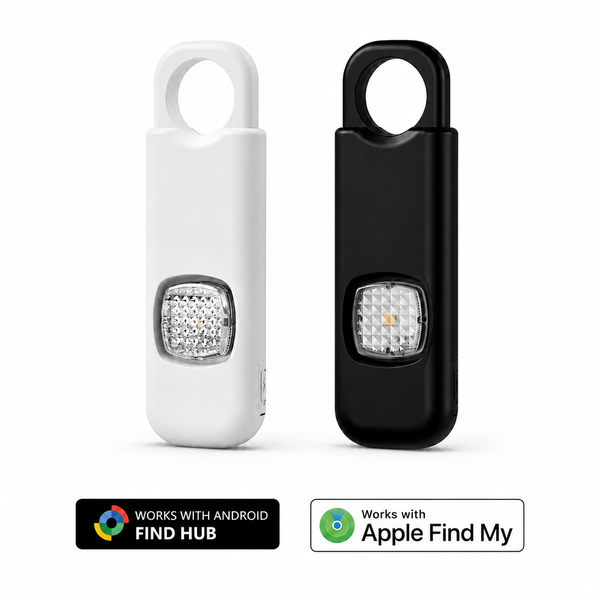
With the rise of Apple Find My and Google Find Hub technologies, personal and spatial security devices can now report their location and status globally. This is particularly useful for portable shared assets, temporary site security, and tracking critical safety equipment within massive public complexes.
Deep-Dive Application Scenarios in Modern Infrastructure
Scenario A: Co-Working Spaces and 24-Hour Shared Offices
Co-working spaces thrive on flexibility, allowing members to access facilities at all hours of the day. However, monitoring private offices, meeting rooms, and server closets within these shared layouts is a logistical challenge. Magnetic door alarms connected to a central management console allow operators to track door status in real time. If a private conference room door is left ajar after hours, an automated alert is triggered, preventing energy waste and securing expensive AV equipment.
Scenario B: Public Restrooms, Schools, and Vape Detection
Restrooms in schools, universities, and public libraries are notorious blind spots for security cameras due to privacy regulations. This makes them hotspots for vaping, smoking, and vandalism. Implementing specialized vape detectors with voice alerts and remote notifications allows administrators to monitor these spaces without violating privacy. When vapor or smoke is detected, the unit plays a localized warning and alerts campus security silently.
Scenario C: Emergency Escape Routes and Fire Doors
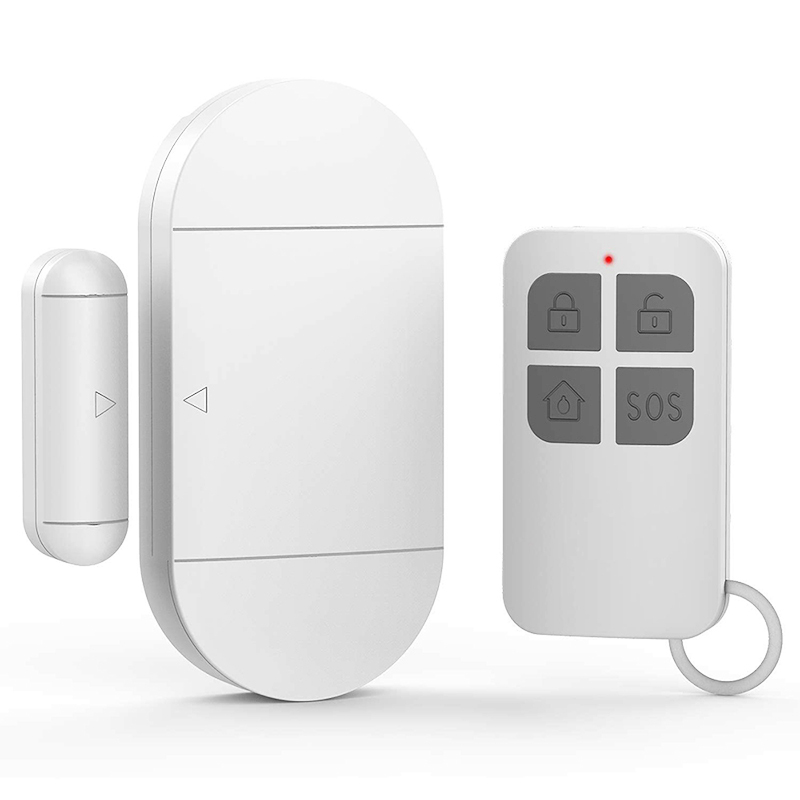
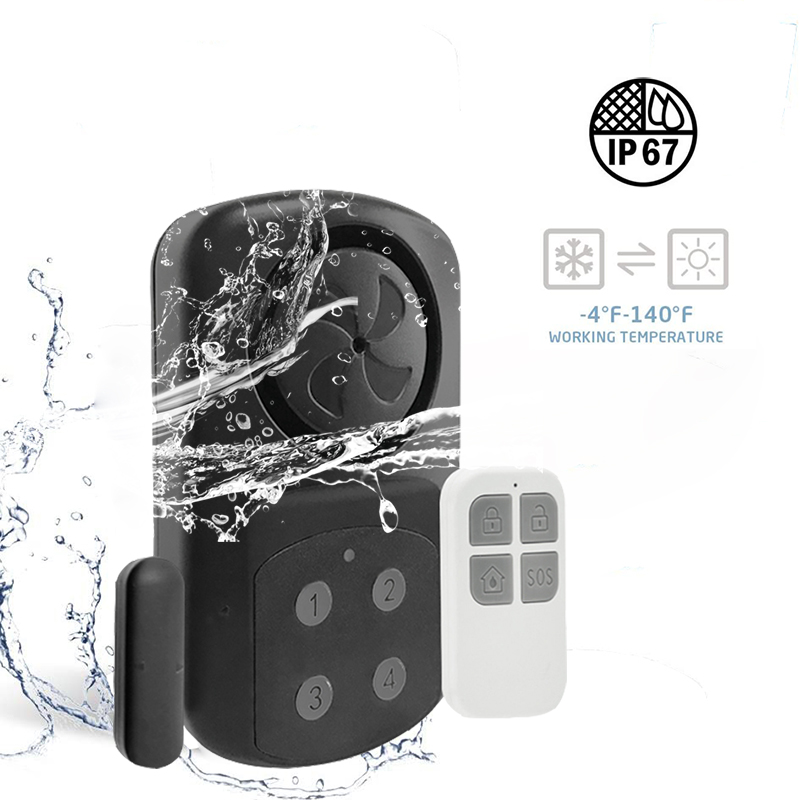
In public malls, hospitals, and transit terminals, emergency exit doors must remain accessible for evacuation. However, they are frequently misused by shoplifters escaping with stolen goods or individuals seeking unauthorized entry. High-decibel, waterproof door security sensors (like the MC04 IP67) installed on these doors provide a dual benefit: they withstand harsh outdoor conditions and emit a deafening 140dB alarm if breached, instantly deterring unauthorized exits while maintaining emergency compliance.
Scenario D: Healthcare Facilities and Patient Safety
Hospitals and senior care facilities require strict monitoring of restricted zones, medical supply rooms, and patient exit doors. Magnetic door alarms prevent patients with cognitive decline from wandering into unsafe areas. The use of gentle voice prompts instead of loud sirens helps prevent patient agitation while immediately notifying nursing staff of a boundary breach.
The Future of Public Facility Security
As smart cities evolve, door alarms will become nodes in a larger, interconnected urban security matrix. Future systems will leverage machine learning to analyze access patterns, predicting potential security breaches before they happen. For instance, if a door is opened at an unusual time or left open longer than the historical average for that specific day, the system will dynamically adjust alert levels.
Furthermore, sustainability will dictate product design. Ultra-low-power sensors utilizing energy harvesting (such as solar or kinetic energy from the door movement itself) will minimize battery waste, aligning security infrastructure with global green building standards.
Your OEM Partner for Smart Security Devices
We design and manufacture residential fire safety and security devices for B2B partners, empowering smart home brands and IoT integrators to deliver enhanced home protection and peace of mind.
-

Vision
Leading provider of residential fire and security solutions.
-

Mission
Empowering partners with innovative, reliable residential safety devices.
-

Values
Partnership, Innovation, Quality, Trust.
About Ariza
We are a world-leading smart alarm ODM company, focusing on the field of security alarms for 16 years. Our services span more than 30 countries and regions, and cooperating with more than 3,000 global brand customers. We are deeply engaged in technological innovation and holding more than 60 patents. What’s more, we focus on quality and have passed TUV EN14604, EN50291, and mandatory CCC certification.
Contact UsOur Partners






Company History
Founding Vision: Security Mission Begins
In 2009, the company was established, and the boss Wang Fei began to operate Ariza, recruiting core employees such as business and finance to sell security products.
Personal Safety Pioneer: First Generation Products Launch
the company began to develop personal alarm products, and the first generation of personal security products was born in September.
Innovation Breakthrough: Security Solutions Expansion
From 2014 to 2020, the third generation of personal security, the third generation of home security, and smart home were born through engineering research and development and production, and the foreign market department was established in 2017 to sell products all over the country.
Technical Excellence: Fire Alarm Wins Industry Recognition
the fire alarm was born and won the muse goddess award. It has a mature engineering research and development team, testing team, production team, and sales team.
Industry Leadership: New Benchmark in Shenzhen Security
the boss became the leader of the FY23 Shenzhen production area and the vice president of the Shenzhen Security Industry Association, and the company was awarded the "National High-tech Enterprise."
Global Perspective: Meeting International Standards
in order to meet the needs of foreign buyers and Amazon, product certification and report application standards have become more stringent, and more and more products are certified.
Connecting with the Industry, Partnering with You
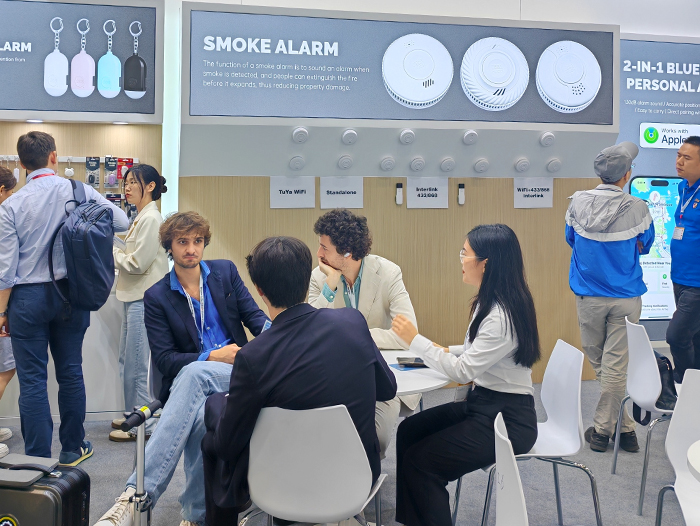
At Ariza, We believe in the power of collaboration. That’s why we actively participate in key industry events around the world. These events are not just about showcasing our products – they are vital platforms for us to connect with partners like you, Understand evolving market needs, And build stronger relationships.





Certificates
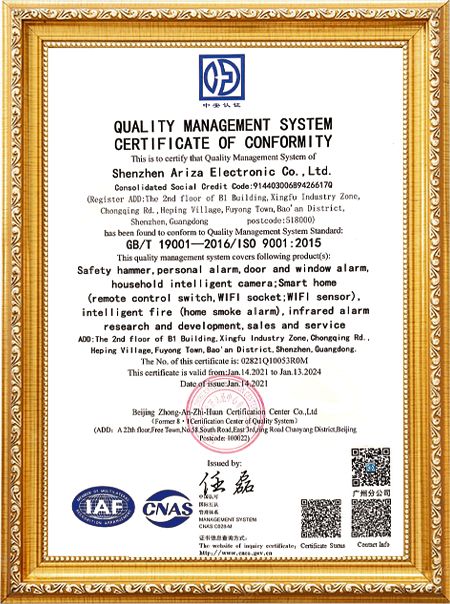
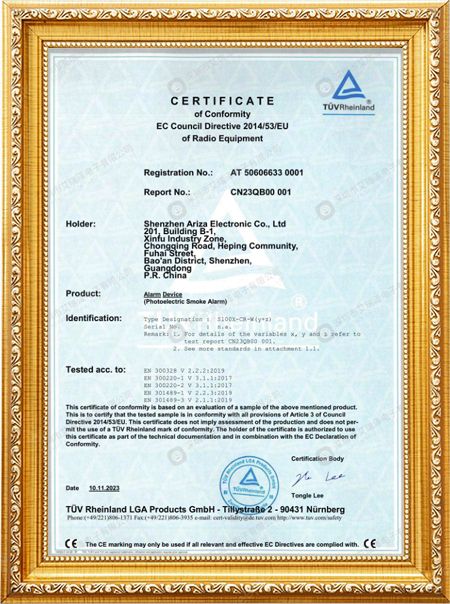
Our company & products are with many certifications, meeting various certification requirements for different countries. We have lots of long-term partners which have highest praise of the business cooperation.
Compliance Standards Included:
EN 14604 EN 50291-1


Explore Our Full Range of Public Space & Security Alarms