


Featured Security Solutions
Explore our top-tier personal alarms and environmental detectors engineered to integrate seamlessly into modern residential complexes.
The Industrial & Commercial Landscape of Residential Personal Alarms
The global residential safety landscape is undergoing a massive paradigm shift. As urban populations swell and high-rise apartments become the standard of modern living, the demand for localized, reliable, and highly responsive safety systems has reached unprecedented heights. Historically, apartment security was confined to perimeter fencing, front-desk concierges, and basic building-wide fire systems. However, these traditional measures often fail to address hyper-localized emergencies, such as unit-specific gas leaks, forced entry through sliding doors, or personal medical crises within individual residences.
Today, the commercial market for personal alarms and smart sensors in residential properties is expanding rapidly. Real estate developers, property management firms, and smart home IoT integrators are increasingly incorporating unit-level security solutions as a standard amenity. This commercial push is driven by the realization that individual peace of mind directly correlates with property value and tenant retention. By deploying targeted personal panic alarms, magnetic door sensors, and localized hazard detectors, operators can mitigate liabilities, protect physical assets, and save lives.
Market Insights & Statistical Trends
Industry research indicates that the global smart home security market is projected to grow at a CAGR of over 15% through the next decade. Within this growth, the segment for personal security alarms and localized apartment sensors represents one of the fastest-growing niches, fueled by the rising demographic of single-person households and aging populations residing independently in urban complexes.
The Shift from Passive to Active Security Ecosystems
Modern residential security has transitioned from passive monitoring (such as closed-circuit TV cameras that merely record events) to active, real-time prevention. A personal alarm for apartments must act instantly, notifying both the occupant and emergency services or building managers before a situation escalates. For example, wireless door sensors can alert tenants of an unauthorized entry while they are asleep, giving them vital seconds to react or escape. Similarly, 10-year battery-powered carbon monoxide detectors continuously monitor ambient air quality, sounding local alarms and sending push notifications to smartphones long before toxic gas levels become fatal.
Your OEM Partner for Smart Security Devices
We design and manufacture residential fire safety and security devices for B2B partners, empowering smart home brands and IoT integrators to deliver enhanced home protection and peace of mind.
-

Vision
Leading provider of residential fire and security solutions.
-

Mission
Empowering partners with innovative, reliable residential safety devices.
-

Values
Partnership, Innovation, Quality, Trust.
Key Technological Drivers in Residential Personal Alarms
The technological evolution of personal alarms is closely tied to advancements in microelectronics, wireless communication protocols, and battery chemistry. Today's residential safety devices are far more sophisticated than their predecessors. Below are the primary technological pillars driving the market forward:
1. Ultra-Low Power Consumption & Decadal Lifespans
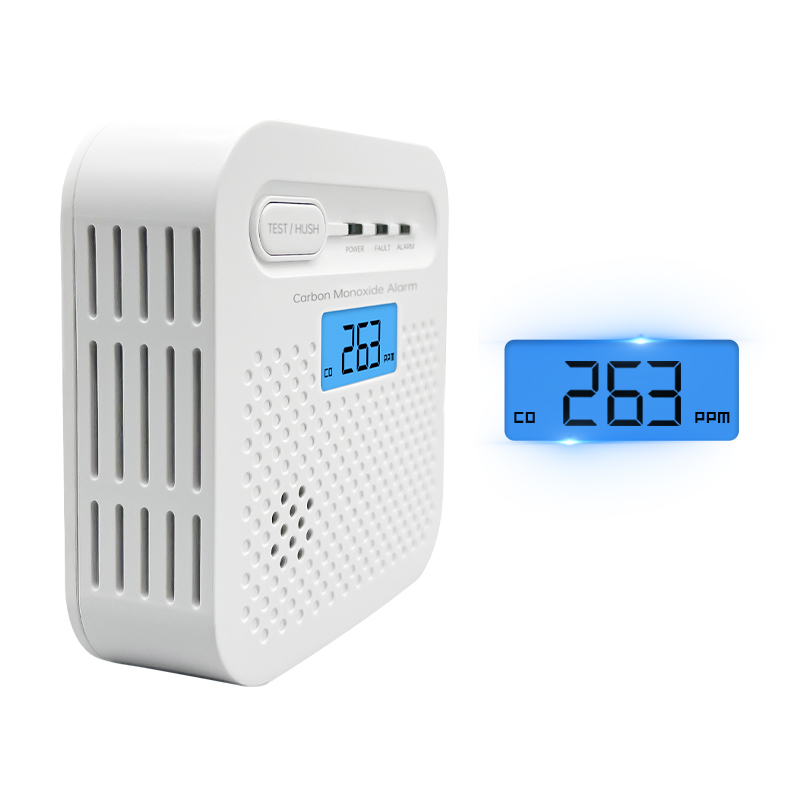
One of the historical pain points of residential safety alarms was maintenance. Property managers and tenants frequently forgot to replace batteries, leading to disabled devices and safety hazards. The introduction of 10-year lithium battery technology has revolutionized this space. Devices like the Y100A-CR Carbon Monoxide Detector utilize advanced power management chipsets that draw minimal current during standby mode, ensuring the device remains fully operational for a decade without a single battery change. This drastically reduces maintenance overhead for large apartment complexes and ensures constant protection for residents.
2. Multi-Protocol Wireless Connectivity
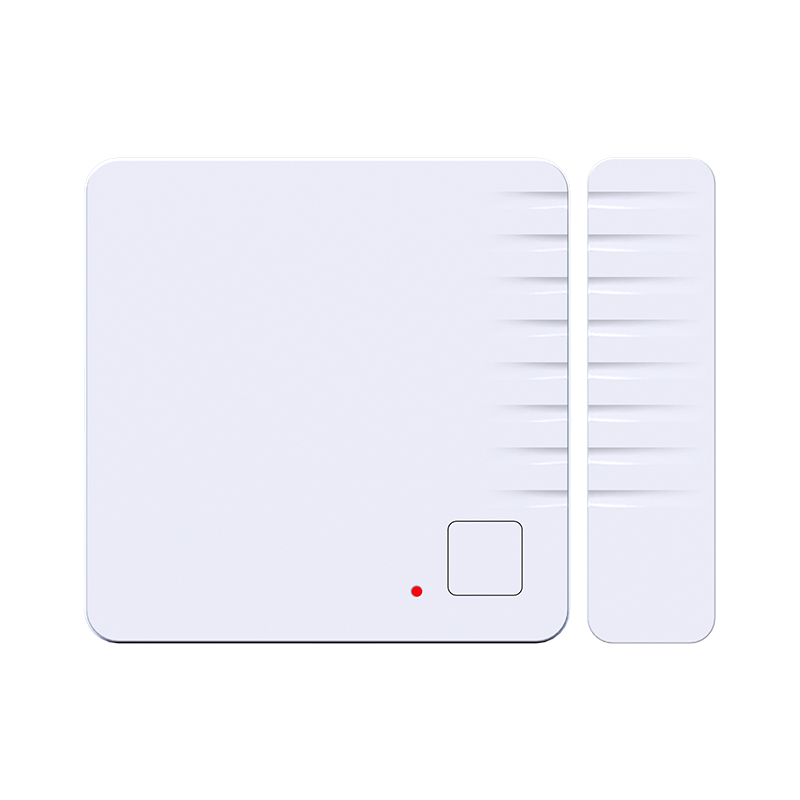
Modern apartments rely on a web of interconnected devices. Personal security alarms now feature multi-protocol support, integrating seamlessly with Zigbee, Z-Wave, Wi-Fi, and the emerging Matter standard. When a door sensor (like the C100 or F02) detects a breach, it does not just sound a local 130dB siren; it also triggers the smart home hub to turn on the lights, start security cameras, and send an instant alert to the tenant's smartphone, regardless of where they are in the world.
3. High-Decibel Personal Panic Systems
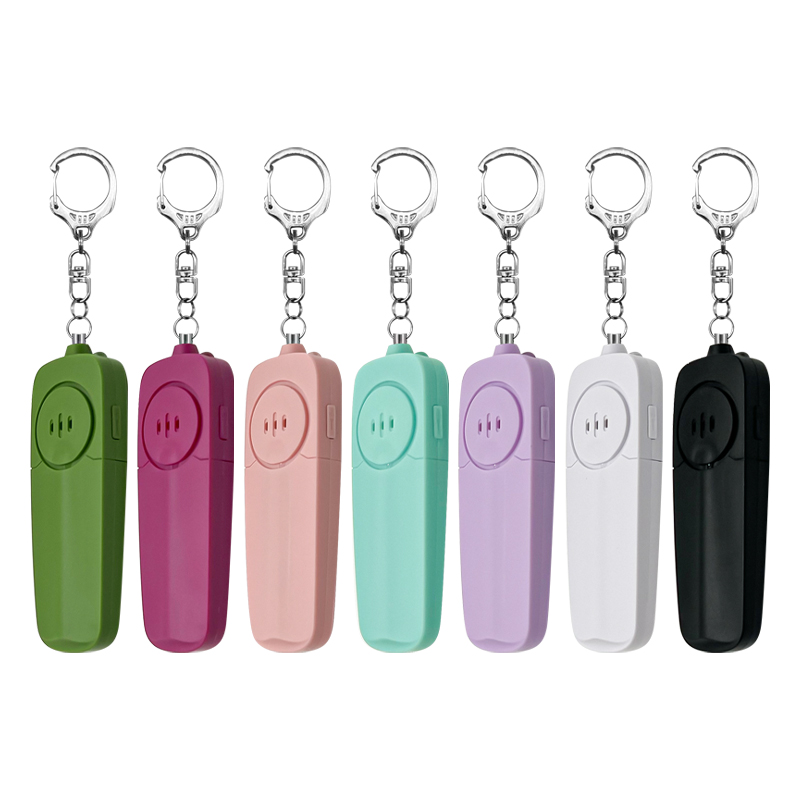
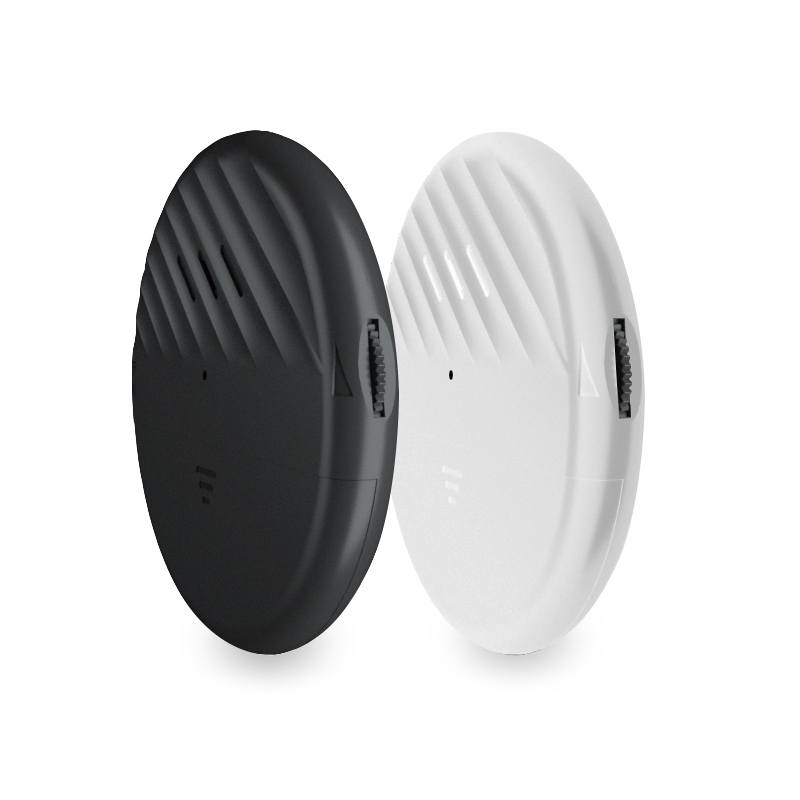
For personal safety within and immediately outside the apartment, portable high-decibel panic alarms (such as the AF2005 and AF2007) serve as a crucial physical deterrent. Emitting sounds up to 130dB, these devices are designed to disorient attackers and immediately draw attention from neighbors or passersby in dense residential corridors. The integration of long-lasting, rechargeable, or highly stable batteries ensures that these devices are ready to perform in high-stress situations.
Technological Convergence
The convergence of localized alarm hardware with cloud-based IoT backends allows for predictive analytics. For instance, temperature and smoke sensors can analyze rise-in-temperature curves to distinguish between a harmless cooking event and a rapidly spreading structure fire, reducing false alarm rates in multi-family complexes.
About Ariza
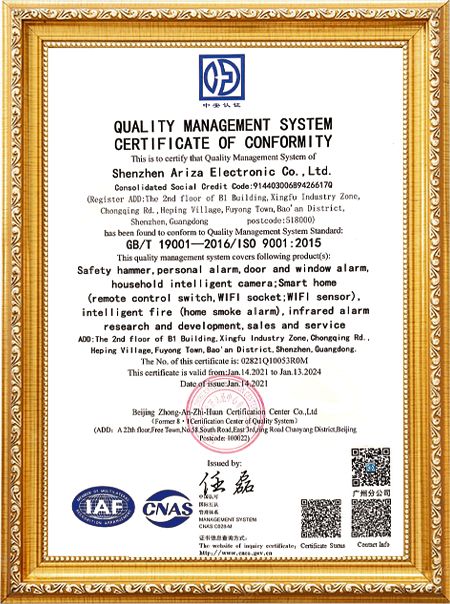
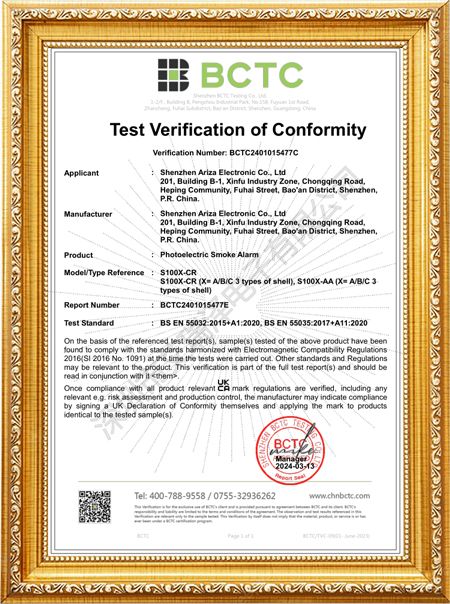
We are a world-leading smart alarm ODM company, focusing on the field of security alarms for 16 years. Our services span more than 30 countries and regions, and cooperating with more than 3,000 global brand customers. We are deeply engaged in technological innovation and holding more than 60 patents. What’s more, we focus on quality and have passed TUV EN14604, EN50291, and mandatory CCC certification.
Contact UsDeep-Dive Application Scenarios in Modern Apartments
To truly understand the value of residential alarm systems, we must analyze the specific scenarios where these devices protect lives and property assets. Apartment buildings present unique physical and social dynamics that require tailored security strategies.
Scenario A: The Solo Dweller and Late-Night Security
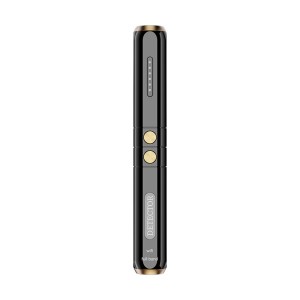
Living alone in a bustling metropolitan apartment offers independence, but it also introduces vulnerability. Late-night entries, dark hallways, and isolated parking garages can pose safety risks. A personal panic alarm like the AF2007 or AF2005 can be carried on a keychain or kept by the bedside. If an intruder attempts to force entry or if a resident feels threatened in a common area, pulling the pin on the personal alarm releases a deafening 130dB siren. In dense apartment complexes, this sound penetrates walls instantly, alerting neighbors and forcing the perpetrator to flee. Furthermore, privacy-conscious tenants can use the T13 Anti-Spy Detector to scan their rental units or temporary lodgings for hidden cameras or listening devices, ensuring absolute personal privacy.
Scenario B: Multi-Family High-Rise Fire and Gas Mitigation
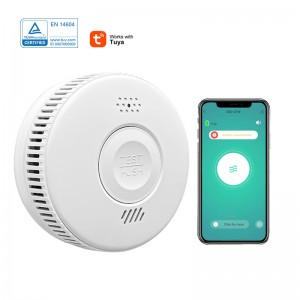
In high-rise residential buildings, a fire or gas leak in one unit threatens every occupant in the structure. Carbon monoxide (CO)—often referred to as the "silent killer"—is tasteless, odorless, and invisible. A localized heating malfunction or a blocked ventilation shaft can quickly fill an apartment with toxic CO gas. Implementing the Y100A-CR 10-Year Carbon Monoxide Detector ensures that residents are alerted to trace levels of CO long before physical symptoms manifest. When paired with smart smoke detectors like the S100B-CR-W WiFi Smoke Detector, the entire building benefits from early warning systems that can automatically notify facility managers and emergency services, preventing a localized incident from becoming a building-wide catastrophe.
Scenario C: Balcony and Sliding Door Intrusion Protection
Apartments on the ground floor or those with accessible balconies are particularly vulnerable to break-ins via sliding glass doors. Traditional locks on sliding doors are notoriously easy to bypass. By installing the C100 Wireless Door Sensor Alarm (which features an ultra-thin profile optimized for sliding tracks) or the F02 Magnetic Door Alarm Sensor, tenants establish an active electronic barrier. The moment the magnetic connection is broken, the sensor triggers an immediate alarm. This localized alert acts as a powerful deterrent, alerting sleeping occupants and prompting the intruder to abort the attempt.
Scenario D: Water Leakage and Structural Damage Prevention
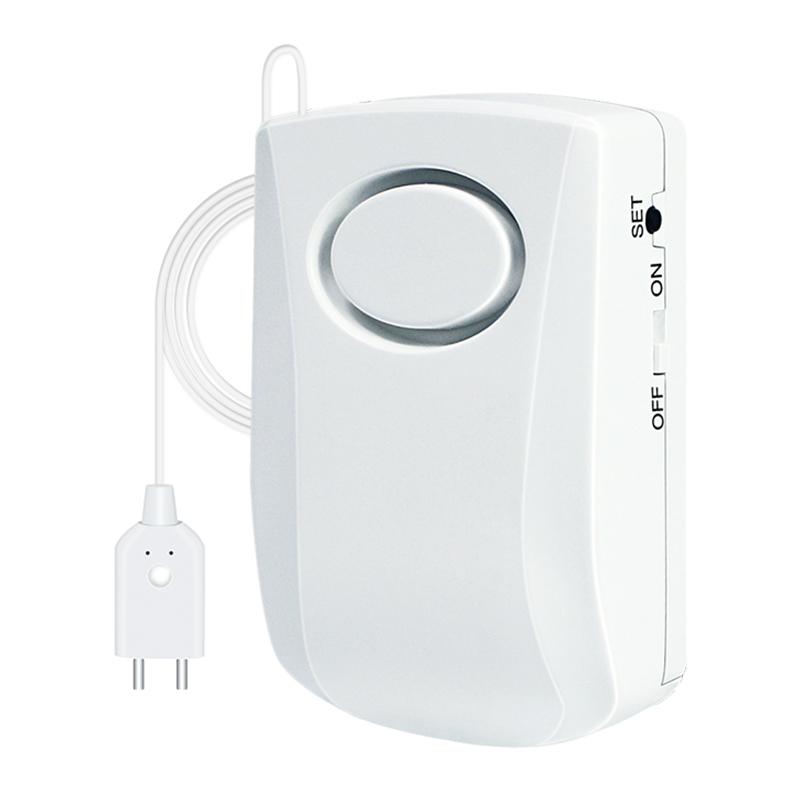
Water damage is one of the most common and expensive insurance claims for residential properties. A burst pipe or a leaking washing machine in a third-floor apartment can quickly seep through the floorboards, ruining the ceiling, walls, and personal belongings of the tenants below. The AF9700 Wireless Water Leak Detector is designed to be placed near water-prone appliances or under sinks. The moment its metal contacts detect moisture, it sounds a local alarm and, if integrated into a smart home network, sends an immediate notification to the tenant and building maintenance. This allows for rapid shut-off of the water supply, saving thousands of dollars in structural restoration costs.
Our Partners
Collaborating with leading global brands to bring reliable, certified safety technologies to residential complexes worldwide.






Company History
Over a decade of dedication to perfecting residential security and personal safety systems.
Founding Vision: Security Mission Begins
In 2009, the company was established, and the boss Wang Fei began to operate Ariza, recruiting core employees such as business and finance to sell security products.
Personal Safety Pioneer: First Generation Products Launch
The company began to develop personal alarm products, and the first generation of personal security products was born in September.
Innovation Breakthrough: Security Solutions Expansion
From 2014 to 2020, the third generation of personal security, the third generation of home security, and smart home were born through engineering research and development and production, and the foreign market department was established in 2017 to sell products all over the country.
Technical Excellence: Fire Alarm Wins Industry Recognition
The fire alarm was born and won the muse goddess award. It has a mature engineering research and development team, testing team, production team, and sales team.
Industry Leadership: New Benchmark in Shenzhen Security Sector
The boss became the leader of the FY23 Shenzhen production area and the vice president of the Shenzhen Security Industry Association, and the company was awarded the "National High-tech Enterprise.
Global Perspective: Meeting International Standards
In order to meet the needs of foreign buyers and Amazon, product certification and report application standards have become more stringent, and more and more products are certified.
Connecting with the Industry, Partnering with You
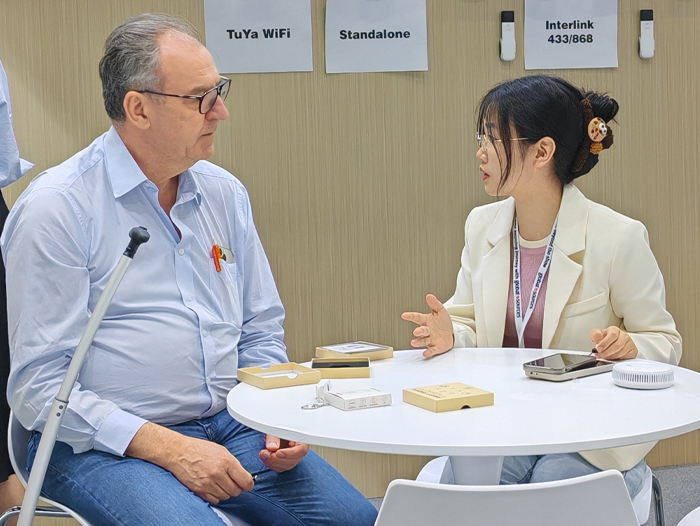
At Ariza, We believe in the power of collaboration. That’s why we actively participate in key industry events around the world. These events are not just about showcasing our products – they are vital platforms for us to connect with partners like you, Understand evolving market needs, and build stronger relationships.




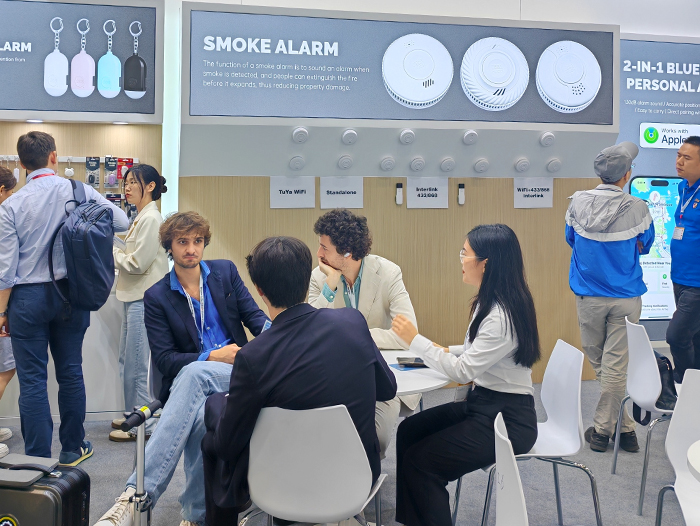

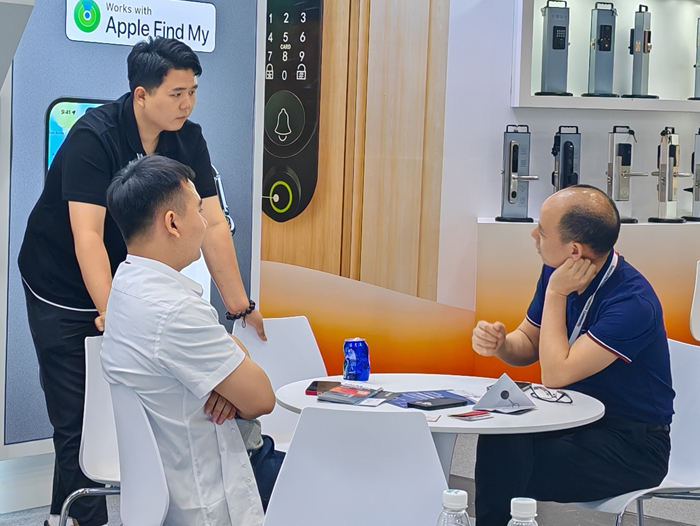
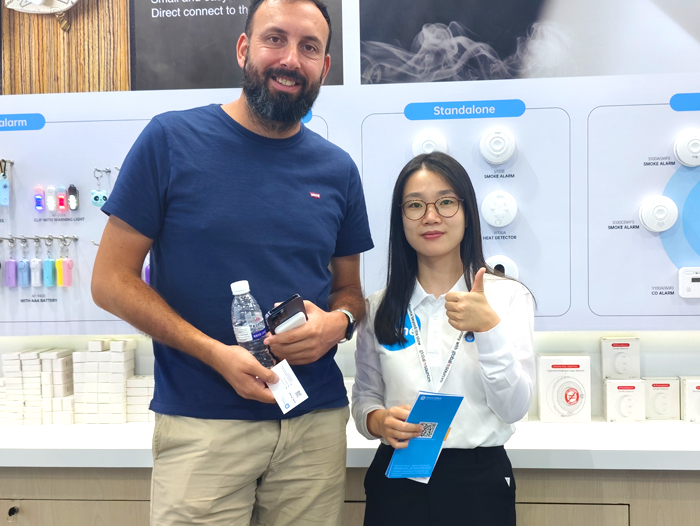
Certificates
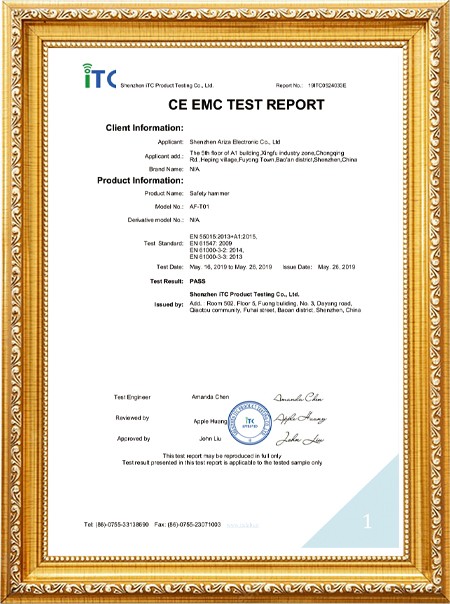
Our company & products are with many certifications, meeting various certification requirements for different countries. We have lots of long-term partners who have the highest praise for our business cooperation.
Included Standards:
EN 14604
EN 50291-1


Future Trends in Residential Security & Personal Alarms
As we look to the future, several emerging trends will shape the development of personal alarms for apartments and residential complexes:
1. Integration of Artificial Intelligence (AI)
AI is set to transition security devices from reactive responders to proactive protectors. Future smart sensors will use edge-AI computing to analyze patterns in human behavior, environmental acoustics, and air quality. For instance, an AI-enabled acoustic sensor could differentiate between a dropped glass and a window shattering, triggering an alarm instantly and reducing false dispatches. Similarly, AI algorithms can monitor CO and smoke levels to predict fire progression pathing within multi-story residential structures.
2. The Expansion of the Matter Protocol
Interoperability has historically plagued the smart home industry. With the rapid adoption of the Matter protocol, personal alarms, door sensors, and fire detectors will communicate natively across ecosystems from Apple, Google, Amazon, and Samsung. This seamless integration ensures that B2B brands can deploy Ariza hardware into any existing smart home framework without worrying about software incompatibilities.
3. Focus on Aesthetic and Ergonomic Design
Modern consumers demand that safety hardware blends harmoniously with contemporary interior design. The era of bulky, industrial-looking detectors is coming to an end. Manufacturers must focus on sleek, low-profile designs that offer maximum safety while maintaining a minimal aesthetic footprint. Personal panic alarms are also evolving into fashionable accessories, ensuring that users are happy to carry them daily.
Complete Product Portfolio
Discover our full range of certified residential safety alarms, wireless sensors, and personal defense solutions designed for modern living.