



Featured Personal Safety Devices
Explore our top-recommended personal safety solutions designed to provide instant protection, high-decibel alerts, and smart tracking capabilities for women on the go.
The Growing Significance of Personal Alarms for Women in Japan
Japan is globally recognized as one of the safest nations in the world, with remarkably low crime rates. However, safety concerns persist, particularly for solo female travelers, women commuting late at night, and young schoolgirls. In Japan, the concept of personal safety is deeply institutionalized. The country has a unique safety culture where prevention is prioritized over reaction. One of the most prominent manifestations of this culture is the widespread use of personal alarms, locally referred to as "Bōhan Buzzer" (防犯ブザー).
Whether navigating the crowded metropolitan transit systems of Tokyo and Osaka or walking through quiet residential streets (known as tsūgakuro), personal alarms serve as an essential line of defense. For women in Japan, these compact devices are not just accessories; they are vital tools for deterrence against stalkers, exhibitionists, and public transport harassers (known as chikan). Furthermore, Japan's high susceptibility to natural disasters like earthquakes makes these high-decibel alarms critical survival tools for signaling rescue teams in emergencies.
"In Japan, the Bōhan Buzzer is not just a reactive security gadget; it is a proactive social deterrent that signals community alertness and immediate distress."
Industrial Landscape & Safety Standards in Japan
The Japanese personal safety device market is highly regulated and mature. The National Public Safety Commission (国家公安委員会) maintains strict guidelines for what qualifies as an authorized crime prevention buzzer. The standards mandate that these devices must produce a sound output of at least 85 decibels (dB) measured from a distance of 1 meter, and they must be able to sustain this alarm continuously for at least 20 minutes. Modern industrial manufacturers, however, routinely exceed these baselines, developing alarms that reach 130dB to 140dB to ensure they can pierce through heavy urban traffic and ambient city noise.
Japan's domestic security market places a premium on reliability, waterproof ratings (such as IP67 for outdoor durability), and battery longevity. As a result, global security OEM/ODM manufacturers like Ariza have aligned their production lines with international quality certifications, including TUV EN14604, EN50291, and CCC, to meet the rigorous expectations of Japanese importers, retail chains, and corporate buyers.

About Ariza
We are a world-leading smart alarm ODM company, focusing on the field of security alarms for 16 years. Our services span more than 30 countries and regions, and cooperating with more than 3,000 global brand customers. We are deeply engaged in technological innovation and holding more than 60 patents. What’s more, we focus on quality and have passed TUV EN14604, EN50291, and mandatory CCC certification.
We work closely with Tuya-based smart home brands, IoT integrators, and security system developers to bring product concepts to life. Our OEM/ODM services cover everything from PCB-level customization to private label branding, helping clients reduce R&D time, lower production costs, and speed up go-to-market.
With certified Tuya WiFi and Zigbee modules, and support for RF 433/868 MHz protocols, Ariza ensures smooth integration into your smart ecosystems. Whether you're scaling retail channels or launching your own platform, our proven manufacturing and engineering support gives you an edge.
Technological Evolution: Smart Alarms and IoT Integration
The traditional personal alarm market in Japan is undergoing a rapid digital transformation. Historically, these devices were simple mechanical pull-pin keychains. Today, the industry is witnessing the integration of smart IoT protocols. Modern personal safety alarms are now equipped with Bluetooth, GPS, and Wi-Fi capabilities, allowing them to connect directly to smartphone applications.
For instance, smart tags like the B500 Tuya Smart Tag combine traditional anti-lost tracking with active personal safety features. When triggered, these smart alarms do not just emit a loud siren; they silently send real-time GPS coordinates and distress notifications to pre-configured emergency contacts or local security monitoring apps. This trend is particularly popular among young professional women living alone in major cities, as it bridges the gap between personal safety and smart home ecosystem integration.
Key Trends in the Japanese Safety Device Market:
- Dual-Action Triggers: Combining physical pull-pins with quick-click panic buttons to prevent accidental activation while ensuring ease of use during high-stress encounters.
- Visual Strobe Deterrents: Integrating high-intensity LED strobe lights (as seen in the AF2002 model) to disorient attackers in dark alleys and visually guide emergency responders.
- Rechargeable Green Tech: A transition away from disposable button-cell batteries toward Type-C rechargeable lithium batteries, matching the eco-conscious buying habits of Japanese consumers.
- Aesthetic Minimalism: Japanese consumers favor sleek, discreet, and fashionable designs. A personal alarm must look like a premium accessory or a minimalist key fob rather than a bulky security gadget.
3 Simple Steps to Your Customized Security Devices
We provide fast, efficient, and precise customization services to make your experience stress-free and seamless.

Share Your Needs
Just tell us your ideas! Features, design, anything custom – we listen and understand your unique requirements to kickstart the process easily.

Design & Sample Approval
Review our detailed design plan and a physical sample. We provide a clear, transparent quote upfront. Your approval ensures we proceed exactly to your expectations.

Quality Control and Delivery
Once you approve, we handle everything smoothly – from precise production and branding to rigorous quality checks and timely, safe delivery of your customized products.
Our Partners
We collaborate with leading global brands, security integrators, and distributors to deliver top-tier safety devices worldwide.






Localized Application Scenarios in Japan
To effectively market personal safety alarms in Japan, it is essential to understand the specific daily scenarios where these devices are utilized by local residents:
1. Late-Night Commuting & Urban Navigation
Many working women in Japan's major cities commute via trains and walk home late at night through quiet residential alleyways. While crime rates are low, the fear of being followed or targeted is real. A keychain personal alarm attached to a handbag strap provides immediate psychological comfort and a practical defense mechanism. Pulling the pin creates an instant, high-pitched 130dB sound barrier that alerts neighbors and deters potential harassers.
2. School Route Commutes (Tsūgakuro Safety)
Elementary school students in Japan typically walk to school independently. Schools and parent-teacher associations (PTAs) strongly recommend that every child carry a "Bōhan Buzzer" visibly on their backpack (randoseru). Manufacturers targeting this segment focus on bright colors, simple mechanical pull-pins, and durable, shock-resistant outer casings to withstand the daily wear-and-tear of school life.
3. Single-Living Apartment Security
A significant portion of the female population in Japanese urban centers lives in single-occupant apartments. Securing entryways is a major priority. By combining personal carry alarms with window and door security sensors (like the MC04 Door Security Alarm Sensor), residents can build a comprehensive, low-cost DIY home security perimeter that alerts them to unauthorized entry attempts immediately.
4. Emergency & Disaster Preparedness (Bōsai)
Japan is highly proactive regarding earthquake and natural disaster preparedness. Personal alarms are standard inclusions in emergency grab-and-go bags (bōsai bags). In the event of building collapse or entrapment, a sustained personal alarm is a life-saving tool, conserving the victim's energy while continuously broadcasting their location to search-and-rescue teams.
Complete Security & Smart Alarm Catalog
Discover our full range of smart tags, personal safety alarms, door sensors, and certified smoke and carbon monoxide detectors tailored for global markets.
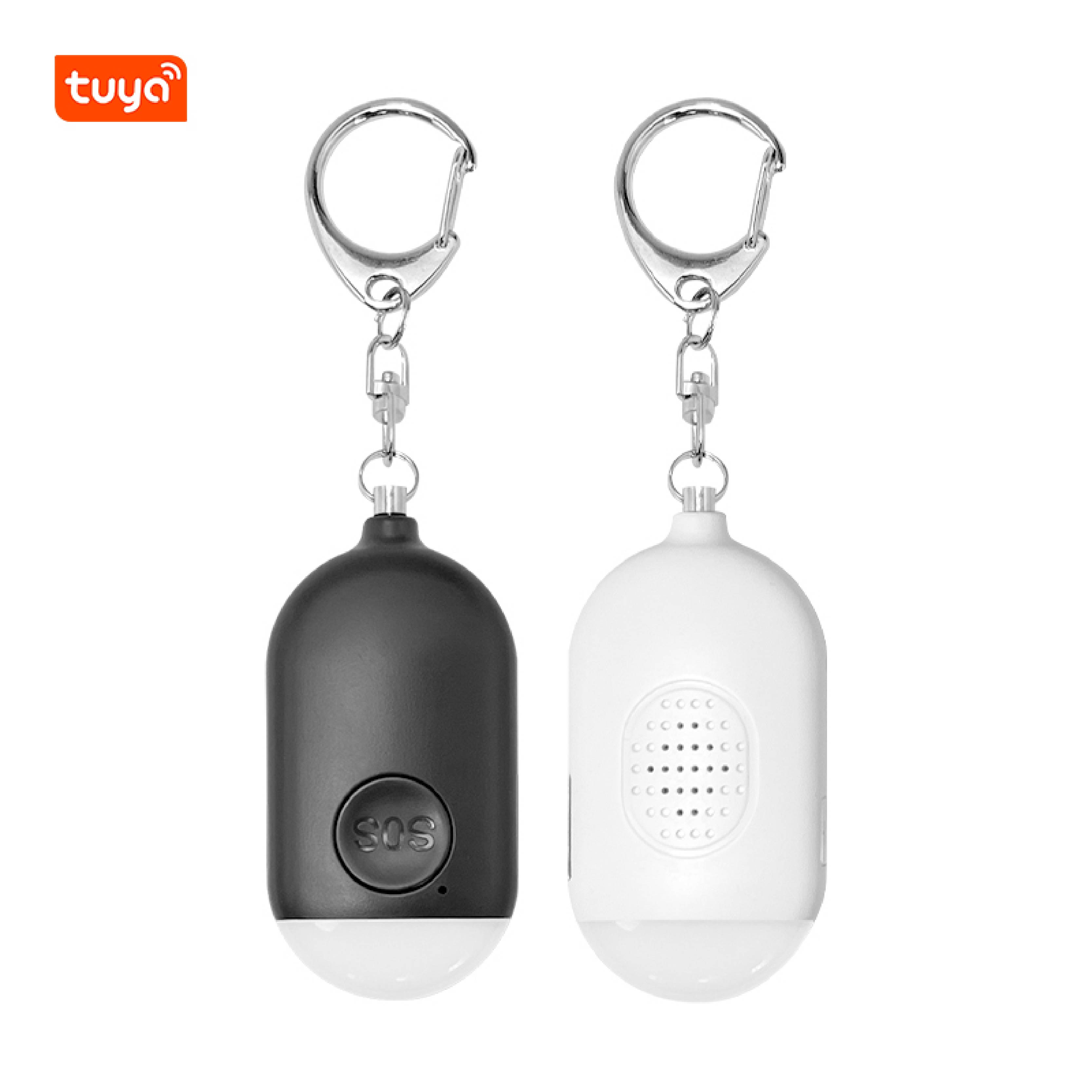
B500 - Tuya Smart Tag, Combine Anti Lost and Personal Safety
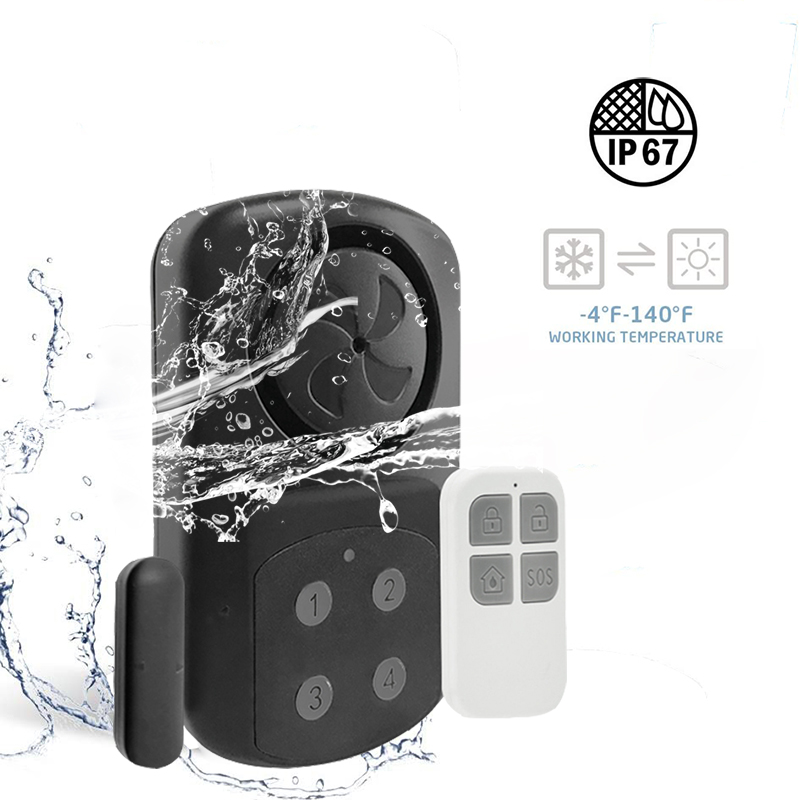
MC04 - Door Security Alarm Sensor - IP67 waterproof, 140db
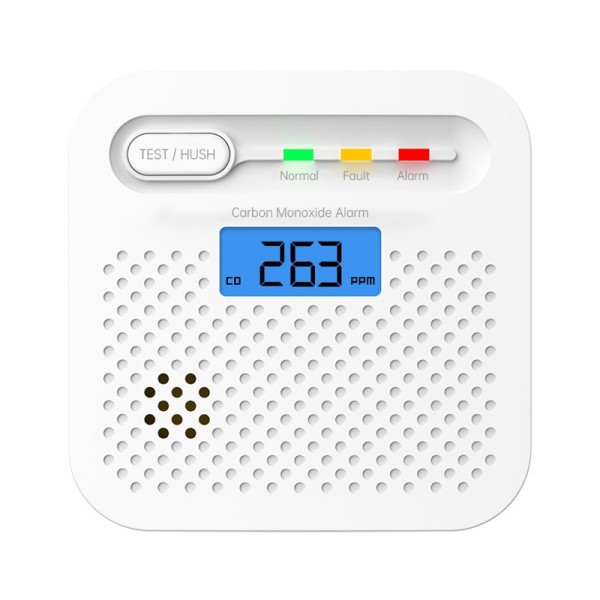
Y100A - battery operated carbon monoxide detector
S100B-CR - 10 year battery smoke alarm
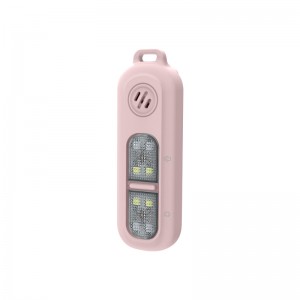
AF2006 - Personal Alarm for women - 130 DB High-Decibel
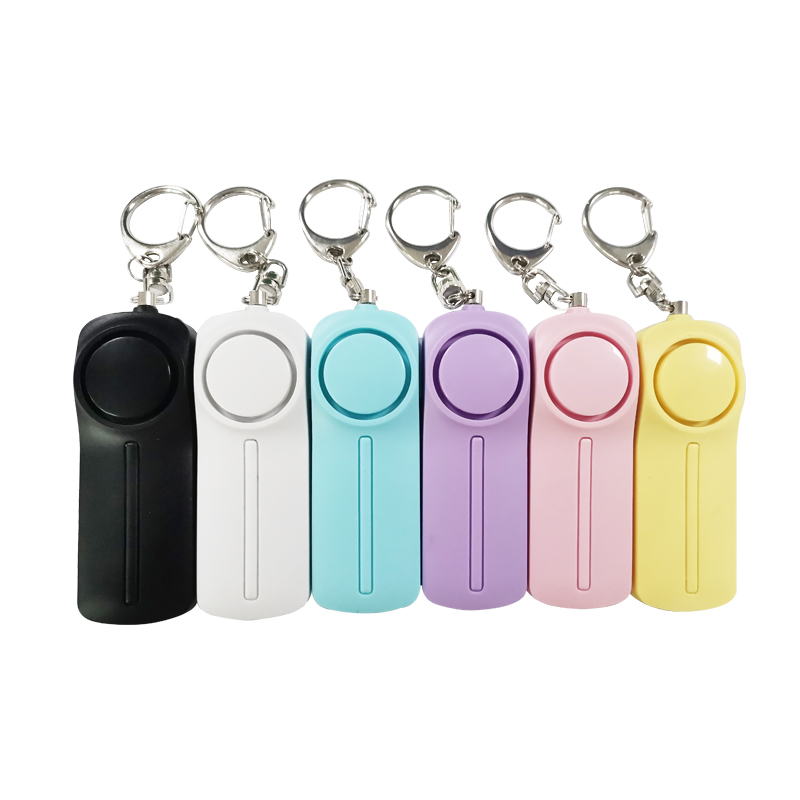
AF9400 - keychain personal alarm,Flashlight, pull pin design
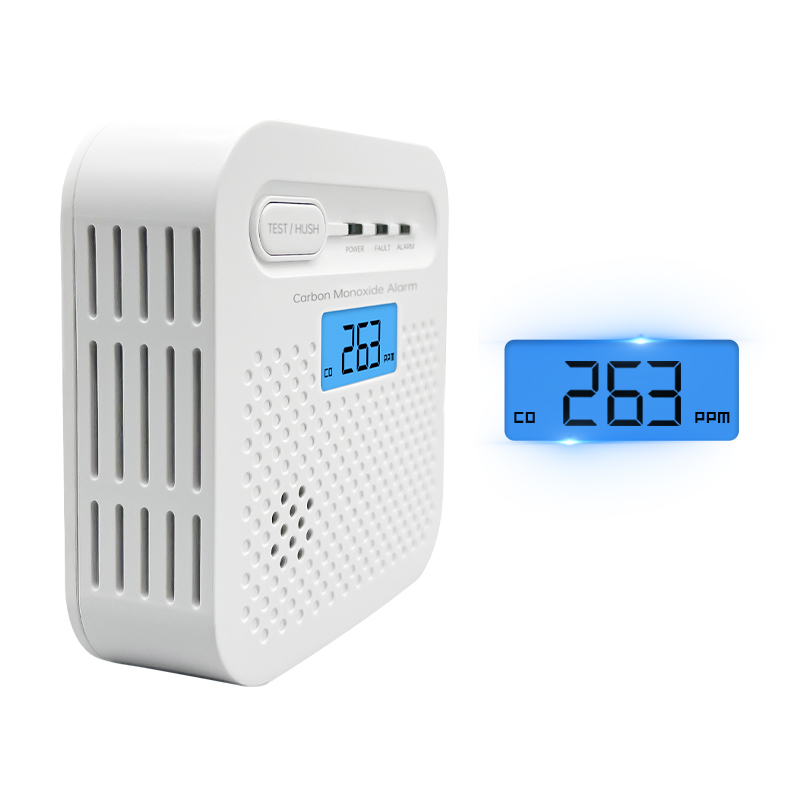
Y100A-CR – 10 Year Carbon Monoxide Detector
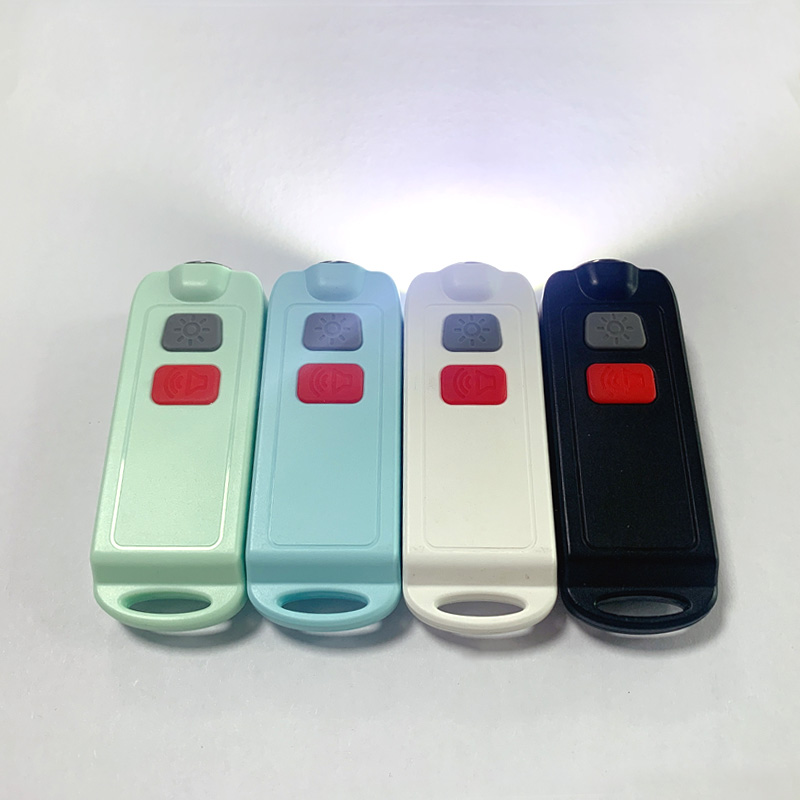
AF2002 - personal alarm with strobe light, Button Activate,Type-C charge
Frequently Asked Questions (FAQ)
Find answers to common questions about personal alarms, Japanese safety standards, and customized security device manufacturing.
What are the legal requirements for personal alarms (Bōhan Buzzers) in Japan?
Under the guidelines set by the National Public Safety Commission of Japan, an authorized crime prevention buzzer must emit a sound level of at least 85dB at a distance of 1 meter and operate continuously for a minimum of 20 minutes. The design should also be easily accessible and reliable under extreme weather conditions.
Why is a strobe light important for a personal safety alarm?
Strobe lights (featured in models like the AF2002) serve a dual purpose. In dark environments, they physically disorient an attacker, giving the user time to escape. Secondly, they provide a clear visual beacon for passersby and emergency personnel to quickly locate the source of the distress call.
How does Tuya Smart integration enhance personal safety devices?
Integrating Tuya Smart protocols allows devices like the B500 Smart Tag to connect directly to mobile applications. When triggered, the device can send instant SOS alerts, real-time GPS location updates, and push notifications to family members or security services, extending protection beyond localized sound.
Can Ariza customize personal alarms for the Japanese retail market?
Yes. Ariza offers extensive OEM/ODM services, including custom brand logos, localized packaging, custom color options (such as popular Japanese pastel tones), and specific PCB modifications to meet the strict quality expectations of Japanese distributors and consumers.