


Featured Transportation Fire Safety Solutions
Industrial-grade early warning systems designed for harsh transit environments
The Critical Role of Photoelectric Smoke Detectors in Vehicle & Transportation Safety
Modern transportation systems are evolving at a breakneck pace. From high-speed electric trains and autonomous commercial fleets to personal electric vehicles (EVs), the complexity of onboard electrical architectures has increased exponentially. This rapid technological shift introduces unique fire hazards that traditional safety systems cannot handle. Vehicle fires are characterized by restricted spaces, high vibration levels, rapid flame propagation, and the presence of toxic off-gases, particularly from lithium-ion battery modules. In this challenging landscape, the integration of specialized photoelectric smoke detectors for vehicle and transportation safety has transitioned from a regulatory compliance checklist item to a fundamental engineering necessity.
Unlike standard residential settings, a vehicle cabin or engine bay is subject to constant motion, sudden temperature swings, dust contamination, and air turbulence. When a fire begins in a vehicle—often starting as a smoldering electrical short circuit behind dashboard panels or inside battery enclosures—every second counts. Photoelectric technology, which relies on the light-scattering principle, offers an unparalleled advantage in detecting these slow-burning, smoldering fires before they erupt into uncontrollable open flames. By utilizing advanced optical chambers, these sensors can detect visible smoke particles generated by overheating wire insulation and synthetic cabin materials, providing the early warning needed to safely stop the vehicle and evacuate passengers.
Why Photoelectric Technology is Superior for Vehicular Applications
To understand why photoelectric smoke detectors are preferred for transportation safety, we must look at the physics of fire detection. Fires generally fall into two categories: fast-flaming fires and slow-smoldering fires. Smoldering fires produce large smoke particles (typically between 0.3 and 10 microns) which are highly effective at scattering light. Photoelectric sensors contain an infrared LED and a light-sensitive photodiode positioned at an angle to each other. Under normal conditions, the light beam from the LED passes straight through the chamber without hitting the photodiode. However, when smoke particles enter the chamber, they scatter the light beam, directing a portion of the light onto the photodiode, which immediately triggers the alarm.
Ionization detectors, on the other hand, use radioactive materials to ionize the air inside the chamber and are more sensitive to the tiny particles produced by fast-flaming fires. However, they are highly prone to false alarms caused by drafty environments, humidity, and ambient dust—all of which are constantly present in vehicles. Furthermore, the environmental disposal regulations surrounding radioactive ionization sources make them highly impractical for large-scale automotive and transit fleets. Photoelectric detectors offer a robust, environmentally friendly, and highly stable alternative that can be digitally tuned to filter out environmental noise while maintaining high sensitivity to actual combustion signatures.
Light-Scattering Optimization for Vehicle Cabins
Vehicular photoelectric chambers are engineered with specialized labyrinth structures that allow smoke to enter freely while blocking external ambient light. Advanced digital signal processing (DSP) algorithms are applied to analyze the rate of light scattering, distinguishing between diesel exhaust fumes, road dust, and genuine fire smoke. This drastically reduces false alarms, which are a major operational headache for transit operators.
About Ariza
We are a world-leading smart alarm ODM company, focusing on the field of security alarms for 16 years. Our services span more than 30 countries and regions, and cooperating with more than 3,000 global brand customers. We are deeply engaged in technological innovation and holding more than 60 patents. What’s more, we focus on quality and have passed TUV EN14604, EN50291, and mandatory CCC certification.
Our engineering prowess allows us to adapt residential fire safety technologies into heavy-duty, vehicle-compliant safety systems. By leveraging our deep manufacturing expertise, we partner with transit authorities and automotive OEMs to co-develop customized optical smoke detection systems that withstand the rigors of the road and rail.
Contact UsIndustrial & Commercial Landscape of Transportation Fire Safety
The global market for transportation fire protection systems is experiencing a paradigm shift driven by legislative mandates and the rise of green transportation. Governments worldwide are enforcing stricter safety codes. For instance, the European Union's UNECE Regulation 107 mandates the installation of fire suppression and detection systems in the engine compartments of M2 and M3 category buses and coaches. Similarly, the rail industry relies on the stringent EN 45545 European standard, which defines strict fire behavior requirements for all materials and components used on onboard trains, including smoke detection units.
Commercially, fleet operators face immense financial and reputational risks from vehicle fires. A single fire incident in a public transit bus or a commercial logistics truck can result in catastrophic loss of life, cargo destruction, and severe damage to infrastructure (such as tunnels and highways). Consequently, insurance companies are increasingly offering premium incentives for fleets equipped with certified photoelectric smoke detection and fire mitigation systems. This has created a surging demand for OEM and ODM partnerships capable of delivering highly reliable, automotive-grade sensors at scale.
Deep Application Scenarios in Modern Vehicles
1. Electric Vehicles (EVs) & Battery Thermal Runaway Detection
The transition to electric vehicles (EVs) has introduced a new type of fire hazard: battery thermal runaway. When a lithium-ion cell suffers from an internal short circuit, mechanical damage, or overcharging, it undergoes an exothermic reaction, releasing highly toxic and flammable gases (such as carbon monoxide, hydrogen, and volatile organic compounds) followed by intense heat and fire. Photoelectric smoke detectors, especially when integrated with gas-sensing technologies, play a vital role in the early detection phase. As the battery cells begin to off-gas and generate micro-aerosols before open flames erupt, the optical chamber detects these early particulates, giving the vehicle's battery management system (BMS) crucial minutes to trigger warning alarms, disconnect high-voltage circuits, and initiate cooling protocols.
2. Public Transit Buses and Coaches
Buses carry high passenger volumes in confined spaces, making rapid evacuation difficult, especially for elderly or disabled passengers. Engine compartments, located at the rear of the vehicle, are the most common source of fires due to the proximity of hot exhaust manifolds, pressurized fuel lines, and high-current electrical alternators. Photoelectric smoke detectors, designed with high IP (Ingress Protection) ratings to resist dust and water spray, are installed in both the engine bay and the passenger cabin ceiling. These units are networked to the driver’s dashboard display, providing real-time status updates and immediate alarms if smoke is detected in any zone.
3. Rail and Metro Systems
In subway systems and passenger trains, fire safety is of paramount importance because evacuation in tunnels is incredibly complex. Train carriages require highly sensitive, low-profile photoelectric smoke detectors that can communicate over industrial vehicle buses (such as MVB or CANopen). These detectors must be immune to the electromagnetic interference (EMI) generated by high-voltage traction motors and overhead lines. By installing intelligent optical detectors in passenger saloons, electrical lockers, and driver cabs, rail operators can pin-point the exact location of a thermal event and coordinate with automatic ventilation systems to prevent smoke inhalation—the leading cause of fatalities in train fires.
4. Commercial Freight and Logistics Trucks
For long-haul trucks transporting hazardous materials or high-value cargo, early fire detection in the trailer or cargo hold is critical. Wireless interconnected photoelectric smoke detectors allow the sensor in the rear trailer to transmit alarm signals directly to a receiver in the driver's cab. This ensures that even if a fire starts in a sealed cargo container miles down the highway, the driver is alerted instantly, allowing them to pull over to a safe area and contact emergency services before the fire consumes the entire rig.
Your OEM Partner for Smart Security Devices
We design and manufacture residential fire safety and security devices for B2B partners, empowering smart home brands and IoT integrators to deliver enhanced home protection and peace of mind. Our state-of-the-art manufacturing facilities and rigorous testing protocols ensure that every device we produce meets the highest international standards of reliability and performance.
-

Vision
Leading provider of residential fire and security solutions.
-

Mission
Empowering partners with innovative, reliable residential safety devices.
-

Values
Partnership, Innovation, Quality, Trust.
Our Journey & Achievements
A timeline of innovation, growth, and industry leadership in security and fire safety
Founding Vision: Security Mission Begins
In 2009, the company was established, and the boss Wang Fei began to operate Ariza, recruiting core employees such as business and finance to sell security products.
Personal Safety Pioneer: First Generation Products Launch
the company began to develop personal alarm products, and the first generation of personal security products was born in September.
Innovation Breakthrough: Security Solutions Expansion
From 2014 to 2020, the third generation of personal security, the third generation of home security, and smart home were born through engineering research and development and production, and the foreign market department was established in 2017 to sell products all over the country.
Technical Excellence: Fire Alarm Wins Industry Recognition
the fire alarm was born and won the muse goddess award. It has a mature engineering research and development team, testing team, production team, and sales team.
Industry Leadership: New Benchmark in Shenzhen Security Sector
the boss became the leader of the FY23 Shenzhen production area and the vice president of the Shenzhen Security Industry Association, and the company was awarded the "National High-tech Enterprise.
Global Perspective: Meeting International Standards
in order to meet the needs of foreign buyers and Amazon, product certification and report application standards have become more stringent, and more and more products are certified.
Connecting with the Industry, Partnering with You
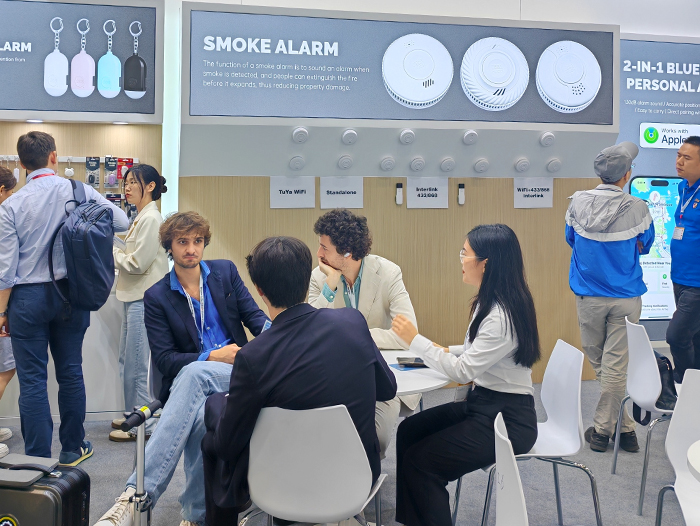
At Ariza, We believe in the power of collaboration. That’s why we actively participate in key industry events around the world. These events are not just about showcasing our products – they are vital platforms for us to connect with partners like you, Understand evolving market needs, And build stronger relationships.





Technical Challenges & Engineering Solutions in Vehicular Fire Detection
Designing a photoelectric smoke detector for a vehicle is vastly different from designing one for a living room. The vehicular environment is incredibly hostile to electronic components. Engineers must overcome several critical challenges to ensure reliable operation:
1. Vibration and Mechanical Shock Protection
Vehicles are subject to continuous vibrations from road surfaces, engine operations, and track joints. Over time, these mechanical stresses can lead to solder joint fatigue, component displacement, and optical misalignment within the detection chamber. To mitigate this, automotive-grade photoelectric detectors utilize reinforced structural housings, potted electronic assemblies, and secure surface-mount components. The optical bench is locked in place with high-precision mechanical clips, ensuring that the relative alignment of the LED emitter and the photodiode remains perfectly stable throughout the vehicle's lifespan.
2. Dust, Dirt, and Ingress Management
Engine bays and under-chassis compartments are constantly exposed to dust, water spray, salt, and oil mist. If these contaminants enter the optical chamber, they can settle on the lenses, causing either a permanent false alarm or desensitizing the sensor to actual smoke. Ariza solves this by engineering sophisticated multi-stage labyrinth structures and utilizing protective hydrophobic membranes. These membranes allow air and smoke particles to diffuse into the chamber while repelling water droplets and larger dust particles. Additionally, advanced software algorithms track the baseline signal level of the photodiode over time, automatically compensating for minor dust accumulation and triggering a maintenance alert only when a thorough cleaning is required.
3. Extreme Temperature Fluctuations
Vehicles can be parked in freezing sub-zero environments or operate in desert regions where engine compartment temperatures exceed 85°C. Standard commercial sensors fail under these extremes. Transportation-grade photoelectric smoke detectors are built using industrial-range semiconductors, temperature-compensated optical components, and thermal-resistant enclosures. Continuous calibration routines adjust the LED drive current based on the ambient temperature, ensuring consistent optical output and detection sensitivity regardless of external weather conditions.
Future Trends in Transportation Fire Safety Technology
As we look to the future, the integration of smart technologies is set to redefine transportation fire safety. Several key trends are emerging:
- Multi-Sensor Fusion: Future detection nodes will combine photoelectric chambers with carbon monoxide (CO), carbon dioxide (CO2), temperature, and volatile organic compound (VOC) sensors. By analyzing multiple parameters simultaneously, the system can identify the precise chemical signature of a fire, virtually eliminating false alarms while accelerating detection speed.
- IoT and Cloud-Connected Fleets: Modern fleet management platforms are integrating fire safety systems into their telematics networks. In the event of a fire, the onboard smoke detector not only alerts the driver but also transmits the vehicle's GPS coordinates, fire severity data, and passenger occupancy status directly to emergency dispatchers and fleet headquarters.
- Wireless Mesh Interconnectivity: For large articulated buses and long freight trains, routing physical communication cables can be costly and prone to damage. Wireless mesh networking protocols (like Zigbee, Thread, or proprietary sub-GHz channels) enable detectors to communicate robustly across the entire vehicle length, ensuring redundant, fail-safe signal transmission.
In conclusion, the deployment of specialized photoelectric smoke detectors is a cornerstone of modern vehicle and transportation safety. By understanding the unique environmental challenges and leveraging advanced optical engineering, manufacturers and fleet operators can safeguard lives, protect valuable assets, and ensure the smooth, uninterrupted flow of global transit systems.
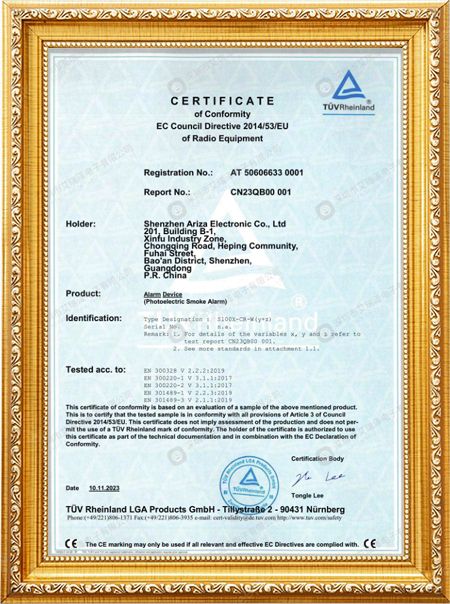
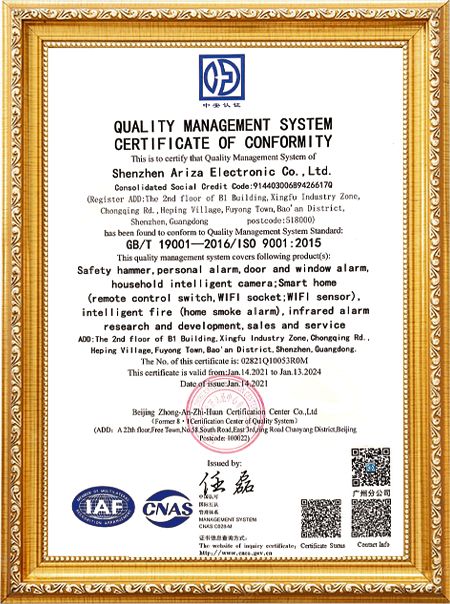
Certificates & Quality Standards
Our company & products are with many certifications, meeting various certification requirements for different countries. We have lots of long-term partners which have highest praise of the business cooperation.
Compliance Standards Included:
EN 14604 - European Standard for Smoke Alarms
EN 50291-1 - Electrical Apparatus for Carbon Monoxide Detection
TUV, FCC, RED, ISO 9001, and CCC Certification



Our Trusted Partners
Cooperating with global brands to deliver reliable security solutions worldwide






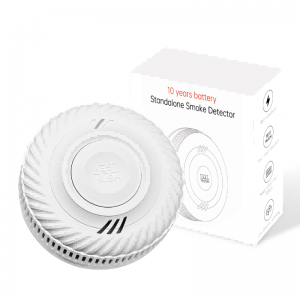
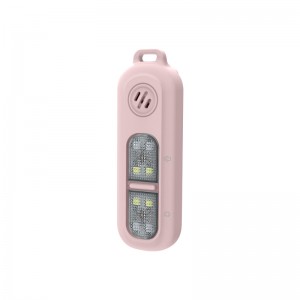
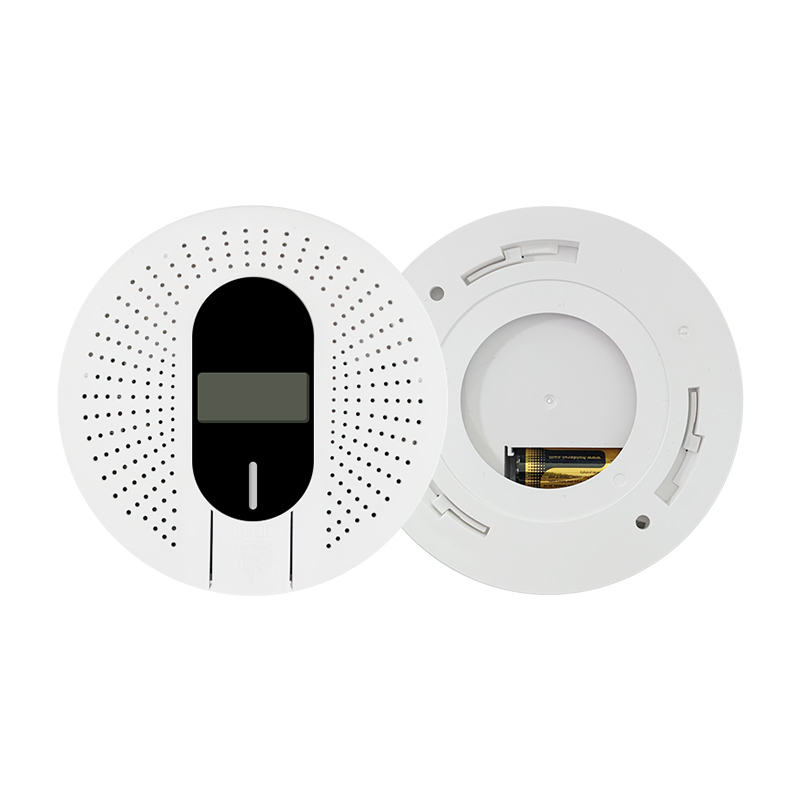
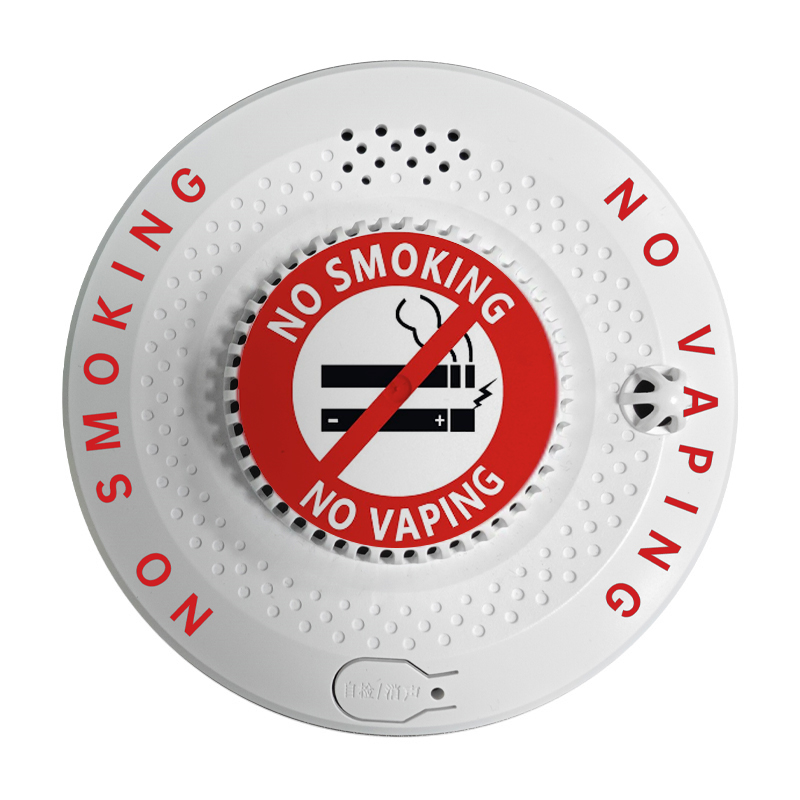
Complete Product Portfolio for Fleet & Transportation Safety
Explore our comprehensive range of smoke detectors, personal safety alarms, and specialized vape detection systems