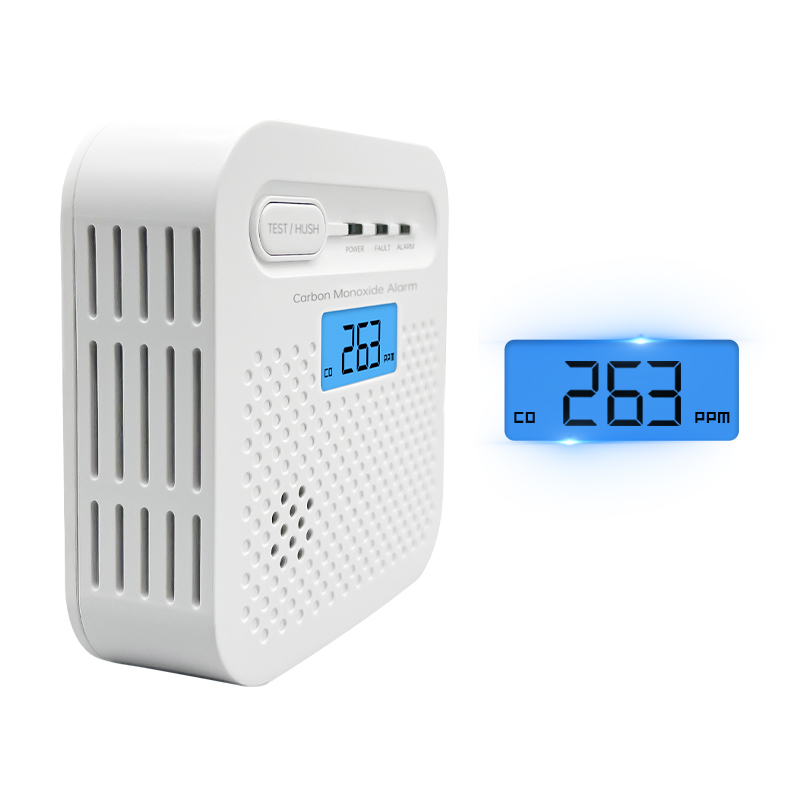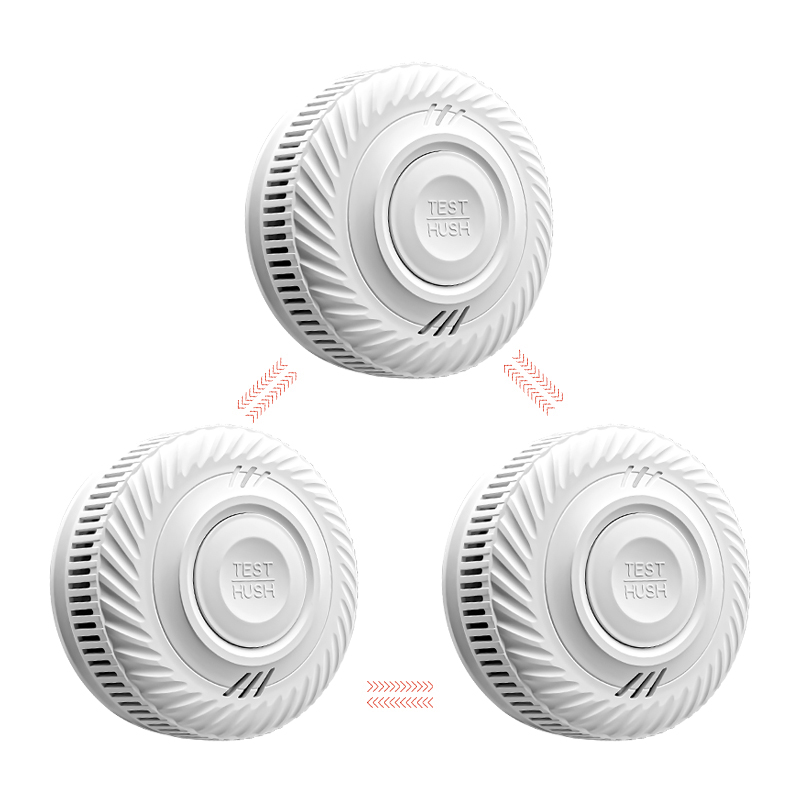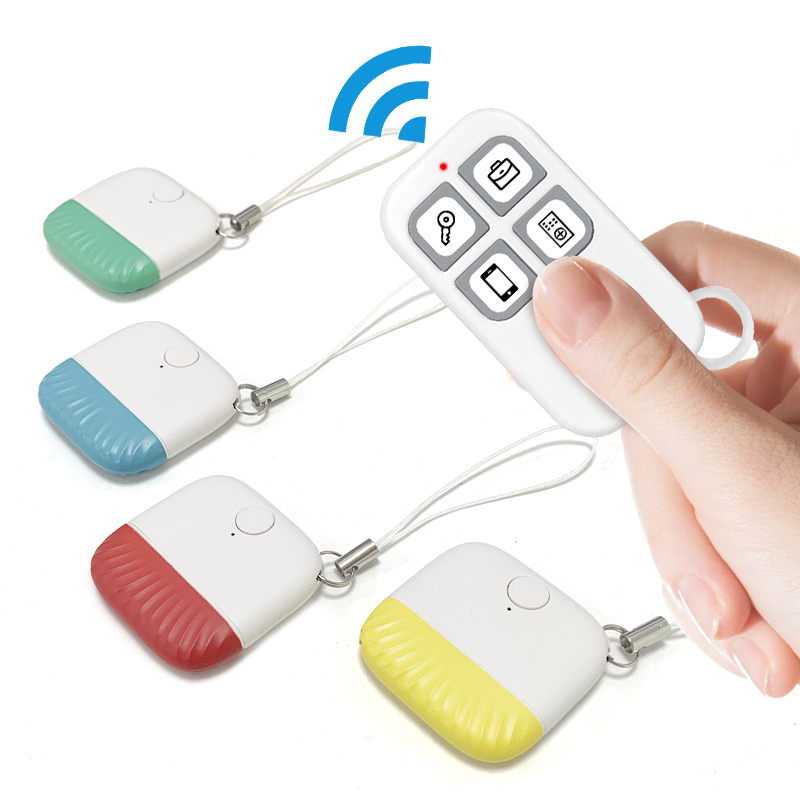



Featured Campus Safety & Detection Devices
Advanced security and environmental hazard monitoring tailored for school environments

The Evolving Landscape of Fire Safety in Educational Facilities
Educational institutions—ranging from early learning centers and primary schools to expansive university campuses—present a unique set of fire safety challenges. Unlike typical commercial offices or residential buildings, schools experience high-density occupancy, dynamic human traffic, and highly specialized zones such as chemistry laboratories, large cafeteria kitchens, industrial workshops, and server rooms. In these environments, an undetected fire can escalate into a catastrophic event in a matter of minutes. As a result, the integration of advanced smoke detectors for schools and educational facilities has transitioned from a basic regulatory obligation to a core pillar of smart campus engineering.
Current Industrial & Commercial Status
The global market for educational fire safety systems is undergoing a significant transformation. Historically, schools relied on localized, hardwired fire alarm panels that simply triggered a general siren. Today, the focus is on intelligent, addressable, and wireless interconnected systems. School districts and university boards are actively replacing legacy systems with modern IoT-enabled smoke and gas detection networks. This shift is driven by the need for faster response times, reduced false alarms, and centralized management. By leveraging wireless protocols like RF 433/868 MHz, Zigbee, and Wi-Fi, educational facilities can establish robust, redundant networks that ensure if one detector in a remote classroom senses smoke, every alarm across the entire facility is triggered simultaneously.
Critical Safety Stat
"According to the National Fire Protection Association (NFPA), U.S. fire departments respond to an average of 4,900 structure fires in educational properties annually. Early detection via interconnected photoelectric smoke alarms is cited as the single most effective factor in preventing injuries and structural loss."
Key Fire Hazards in Schools
- Classrooms & Lecture Halls: High occupancy density requires early warning systems to facilitate orderly evacuation before exits become blocked.
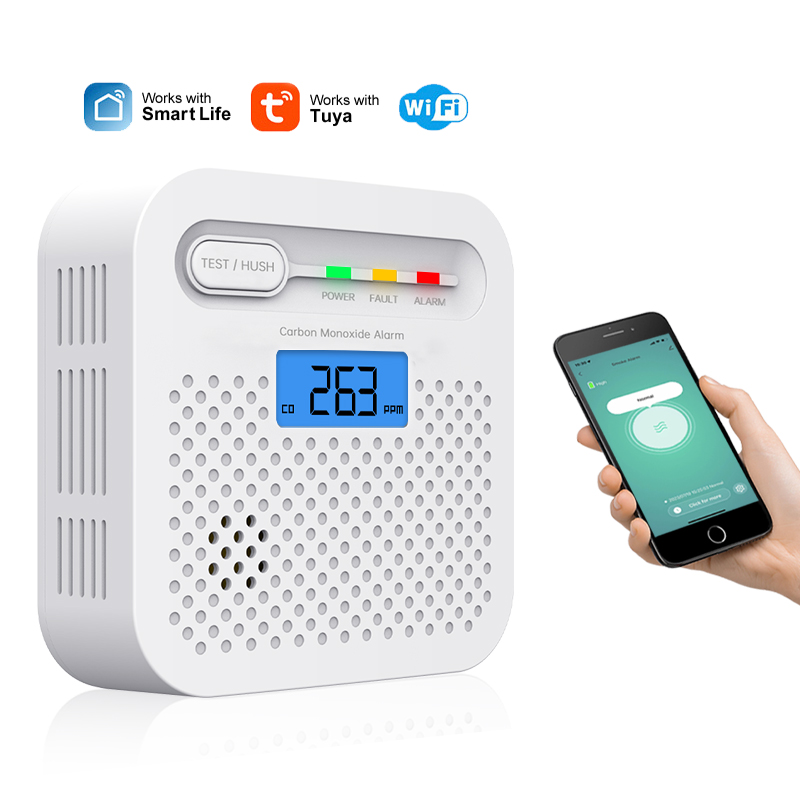
- Science & Research Laboratories: Presence of volatile chemicals, Bunsen burners, and electrical equipment heightens the risk of fast-flaming fires and toxic gas leaks, requiring combined smoke and carbon monoxide detection.
- Student Dormitories & Housing: Cooking accidents, overloaded power strips, and unattended electronics make residential halls high-risk zones, especially during nighttime hours.
- Libraries & Archives: Housing massive amounts of combustible paper assets, libraries require highly sensitive photoelectric sensors that detect smoldering fires before open flames erupt.

About Ariza
We are a world-leading smart alarm ODM company, focusing on the field of security alarms for 16 years. Our services span more than 30 countries and regions, and cooperating with more than 3,000 global brand customers. We are deeply engaged in technological innovation and holding more than 60 patents. What’s more, we focus on quality and have passed TUV EN14604, EN50291, and mandatory CCC certification.
We work closely with Tuya-based smart home brands, IoT integrators, and security system developers to bring product concepts to life. Our OEM/ODM services cover everything from PCB-level customization to private label branding, helping clients reduce R&D time, lower production costs, and speed up go-to-market.
With certified Tuya WiFi and Zigbee modules, and support for RF 433/868 MHz protocols, Ariza ensures smooth integration into your smart ecosystems. Whether you're scaling retail channels or launching your own platform, our proven manufacturing and engineering support gives you an edge.
Learn More About UsProduct Certifications Obtained
Years Experience in Security
Professional Customization Services
Modern Factory Production Area
Development Trends in Educational Facility Smoke Detection
The integration of the Internet of Things (IoT) has revolutionized campus safety. Modern educational facilities are moving away from isolated hardware towards interconnected ecosystems. Let's look at the key technological advancements shaping this sector:
1. Wireless Interconnection (RF 433/868 MHz & Zigbee)
In large school buildings, running physical cables through concrete walls and high ceilings is incredibly expensive and disruptive. Wireless interconnected smoke alarms solve this problem. Utilizing reliable radio frequencies (433MHz or 868MHz) or mesh networks like Zigbee, these detectors communicate with each other locally. If a fire starts in a basement storage unit, the signal is instantly relayed to all other detectors, triggering a synchronized alarm campus-wide. This ensures students in top-floor classrooms are notified immediately, saving critical evacuation minutes.
2. Smart App Integration & Cloud Monitoring (Tuya & Smart Life)
Integrating smoke detectors with cloud platforms like Tuya enables real-time monitoring for school administrators and facility managers. Through a centralized dashboard or mobile app, security personnel can receive instant push notifications indicating the exact location of the triggered alarm. It also allows for remote battery status checks, automated self-testing, and historical log access, drastically reducing the manual labor involved in routine school facility maintenance.
3. Multi-Sensor Detection (Smoke + Carbon Monoxide)
Modern educational safety codes increasingly mandate the installation of Carbon Monoxide (CO) detectors alongside smoke alarms. Boiler rooms, school kitchens, and science labs are prone to CO leaks from malfunctioning heating systems or chemical reactions. Dual-sensor alarms that monitor both smoke particles and CO gas concentrations provide comprehensive protection, optimizing ceiling space and reducing hardware costs.
4. 10-Year Sealed Lithium Battery Systems
One of the largest operational headaches for school maintenance teams is replacing batteries in hundreds of smoke alarms every year. The industry trend is moving toward 10-year sealed lithium battery alarms. These devices offer uninterrupted protection for a decade, eliminating the risk of students tampering with or removing batteries, and ensuring compliance with local fire safety codes that require long-life power sources.
3 Simple Steps to Your Customized Security Devices
We provide fast, efficient, and precise customization services to make your experience stress-free and seamless.

Share Your Needs
Just tell us your ideas! Features, design, protocols, or custom branding—we listen and understand your unique requirements to kickstart the process easily.

Design & Sample Approval
Review our detailed engineering plan and physical sample. We provide a clear, transparent quote upfront. Your approval ensures we proceed exactly to your expectations.

Quality Control & Delivery
Once approved, we handle everything smoothly—from precise production and branding to rigorous quality checks and timely, safe delivery of your customized products.
Best Practices for Implementing Smoke Alarms in Educational Facilities
To maximize safety and comply with international regulations (such as EN14604, EN50291, and local building codes), school administrators must follow strict guidelines regarding the placement and maintenance of detection systems:
Strategic Placement Guidelines
- Classrooms: Install detectors away from direct air vents or ceiling fans, which can redirect smoke away from the sensor. Photoelectric sensors are highly recommended to minimize false alarms caused by dust or chalk particles.
- Corridors and Stairwells: These are primary evacuation routes. Detectors should be placed every 9-12 meters along corridors and at the top of every stairwell to ensure early warning of rising smoke.
- School Kitchens/Cafeterias: Standard photoelectric alarms can trigger false alerts from steam and cooking vapors. Instead, install specialized heat detectors or rate-of-rise thermal sensors in cooking zones, supplemented by photoelectric alarms in adjacent dining halls.
- Electrical Rooms & Server Hubs: These areas house critical IT infrastructure and present high risk for electrical fires. Install highly sensitive smart smoke alarms connected directly to the central security network for instant automated power-cutoff triggers.
Compliance and Certification Importance
When procuring smoke detection systems for public and private schools, choosing certified hardware is non-negotiable. Ariza products are certified under rigorous global standards, including TUV EN14604 for smoke alarms, EN50291 for carbon monoxide alarms, and mandatory CCC certification. These certifications guarantee that the sensors operate reliably under extreme conditions, provide adequate decibel levels (minimum 85dB at 3 meters), and feature durable component design suited for high-occupancy public buildings.
Our Trusted Partners
Cooperating with global brands and IoT integrators to secure campuses worldwide





Complete Campus Safety & Alarm Product Line
Explore our full range of smart smoke, gas, and personal safety devices designed for educational facilities