


 Detail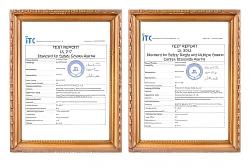

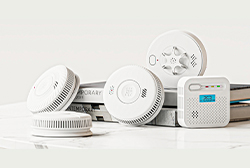

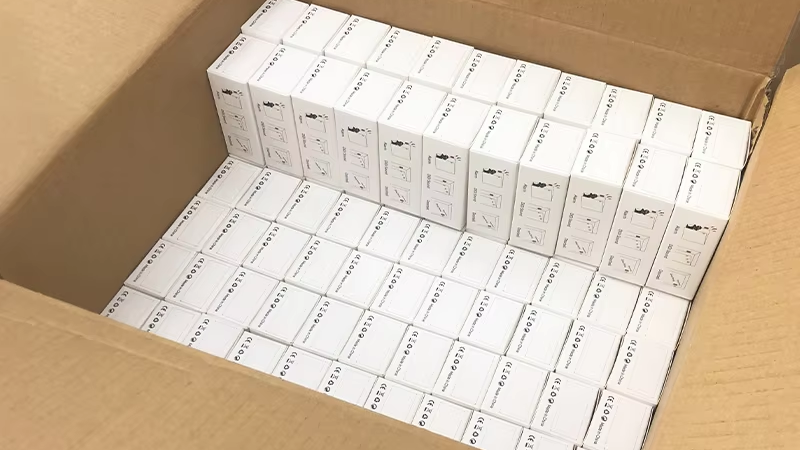
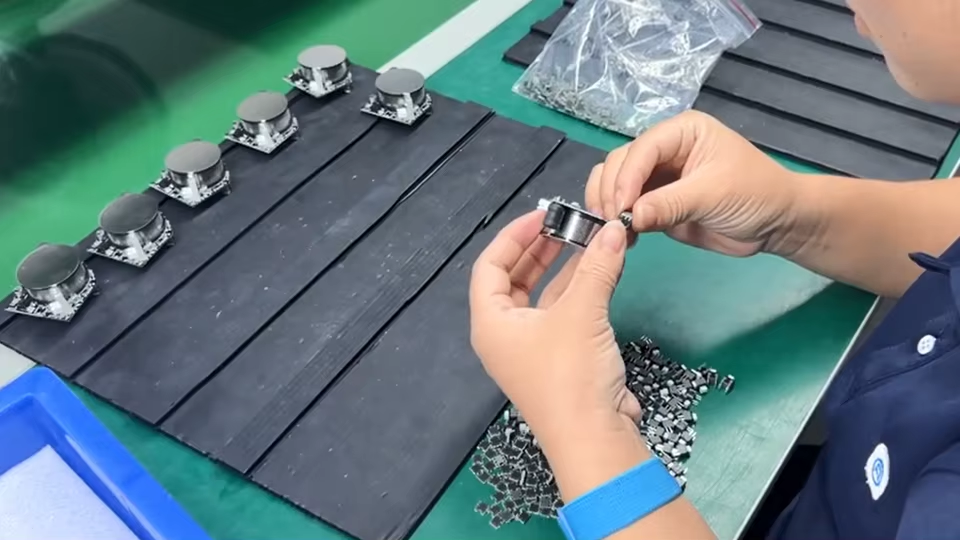


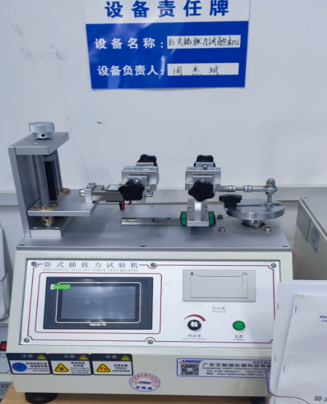
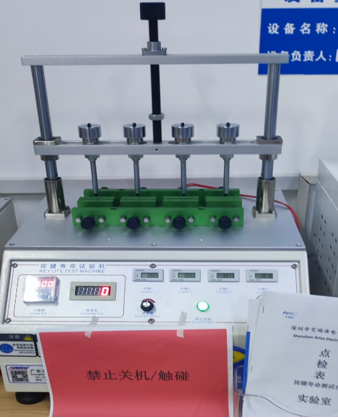



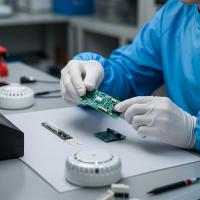

A: Our smoke alarms use advanced dual infrared emitting diode (IR LED), known for fast detection of smoldering fires as well as reducing false alarm. Our CO alarms use precise electrochemical sensors for reliable carbon monoxide detection.
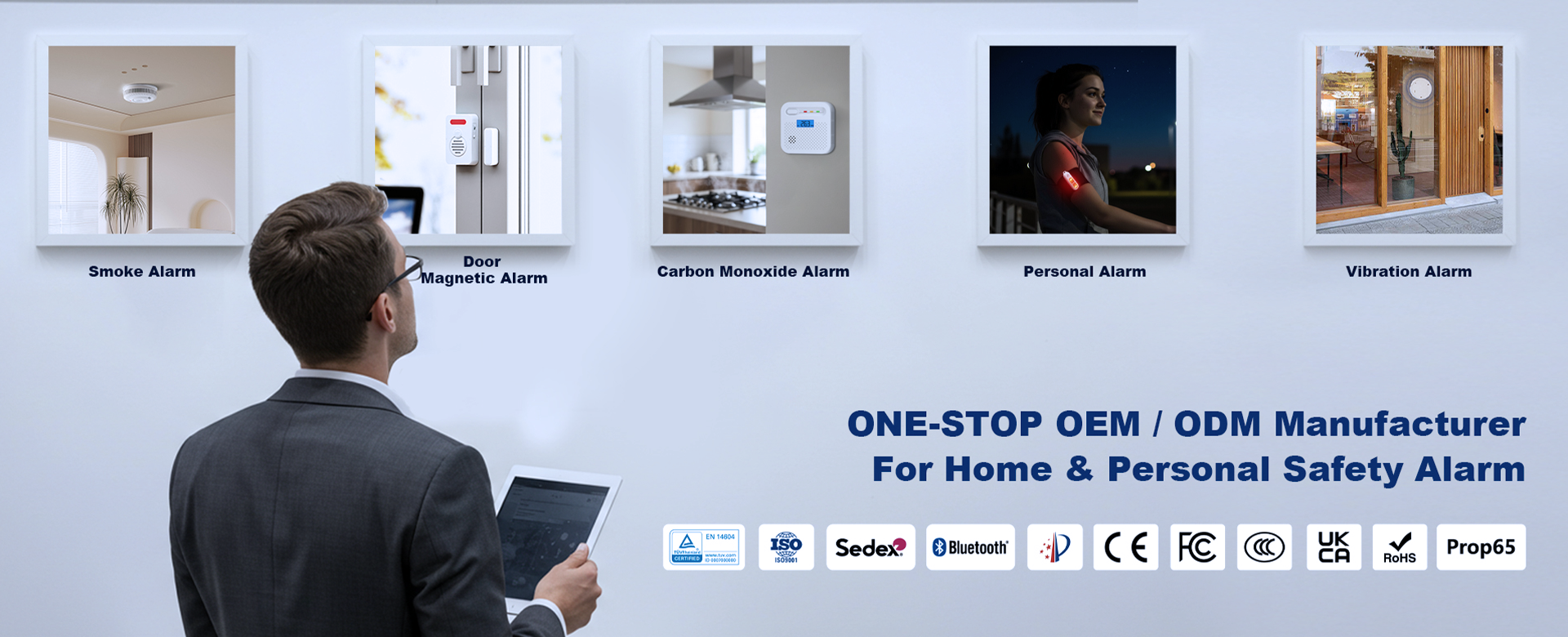

Why Choose Us?
-

One-Stop Shop for All Your Security Needs
From smoke alarms to CO detectors, water leak sensorsto personal alarms - we covera wide range of smart safetydevices.
-

Custom Designs to Make Your Brand Shine
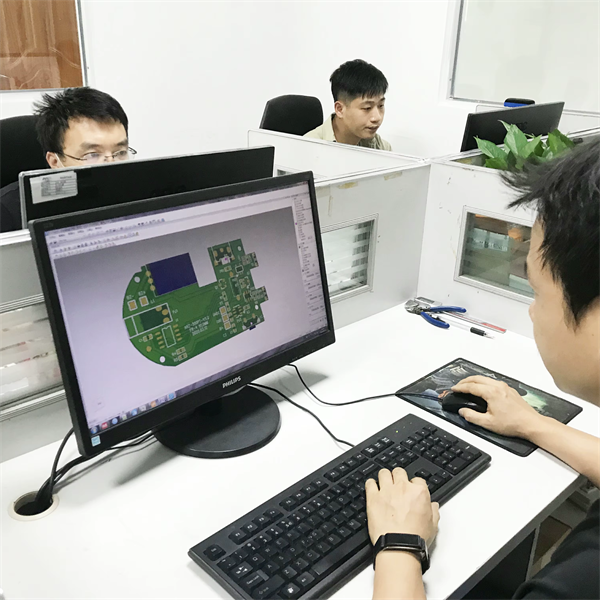
Our experienced R&D team supports OEM/ODM projccts, offering customization from FCB to housing design.
-

Reliable Quality Your Customers Will Trust
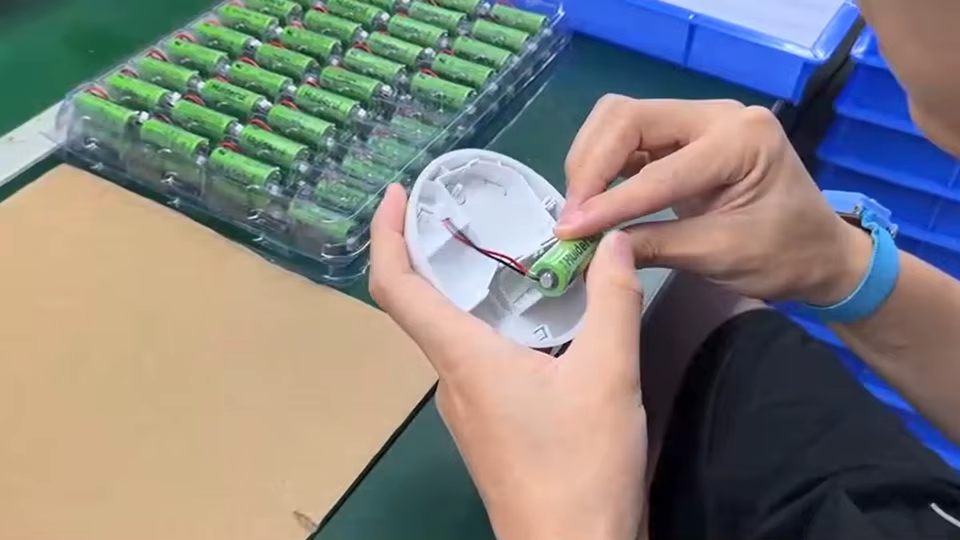
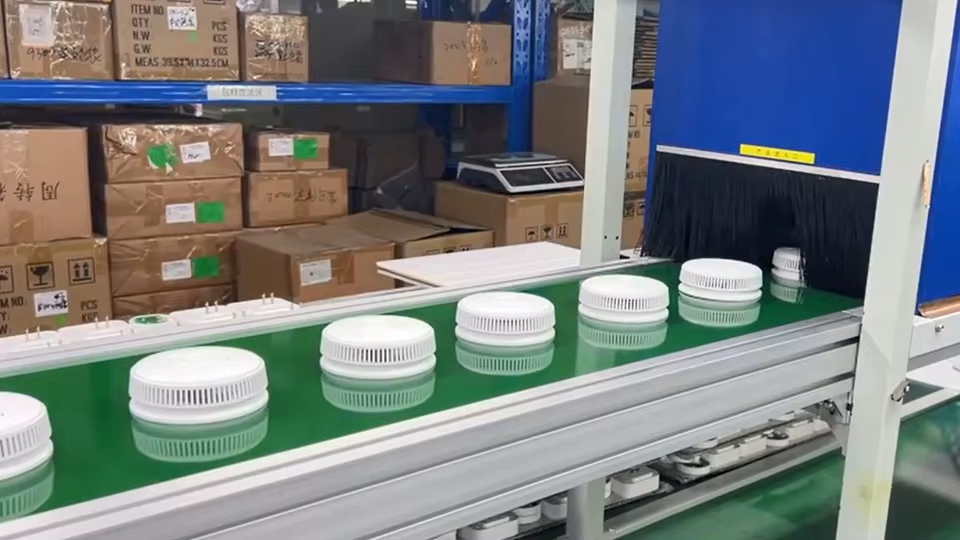
Each device undergoes multiplelayers of inspection to ensureconsistency and safety.
-

Flexible Orders to Meet Your Market Demands
With a 2.000 m' factory and streamilned processes, we meet both small-batch and large-volume orders efficiently.
-

Global Standards for Easy Market Access
Products are certified under EN14004.ENS0231. CE and more, ensuring smooth market entry.
-

Smooth Sourcing for Your Peace of Mind
Our team understands international trade-practices and provides all documentation for smooth shipment.
Precise selection, customized
safety solutions
Whether your target customers are everyday consumers looking for convenience or business users needing professional integrated solutions, ARIZA provides perfectly matched products and services. Just tell us your specific needs – be it product type, communication protocol (like WiFi, Zigbee, RF), power supply, or specific sensor technology. We'll help you select the ideal product or create a custom security solution that perfectly fits your market position and user expectations.
Product Type
- Products
- Smoke Detectors
- Carbon Monoxide Detector
- Door & Window Sensors
- Hidden Camera Detection
- Personal Alarms
-
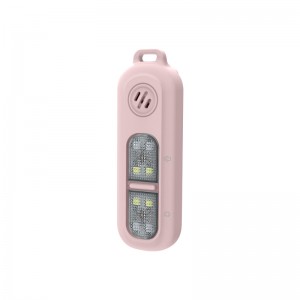
AF2006 – Personal Alarm for women –...
-
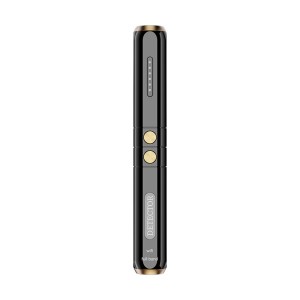
T13 – Upgraded Anti Spy Detector for Prof...
-
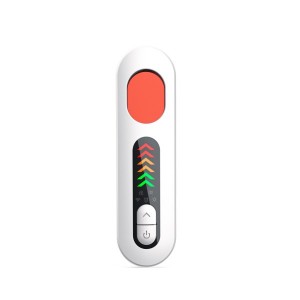
T01- Smart Hidden Camera Detector for Anti-Surv...
-
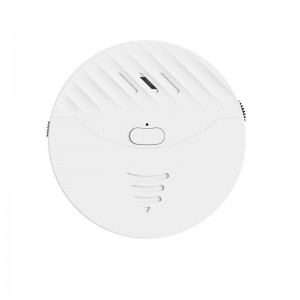
F03 – Vibration Door Sensor – Smart Prote...
-
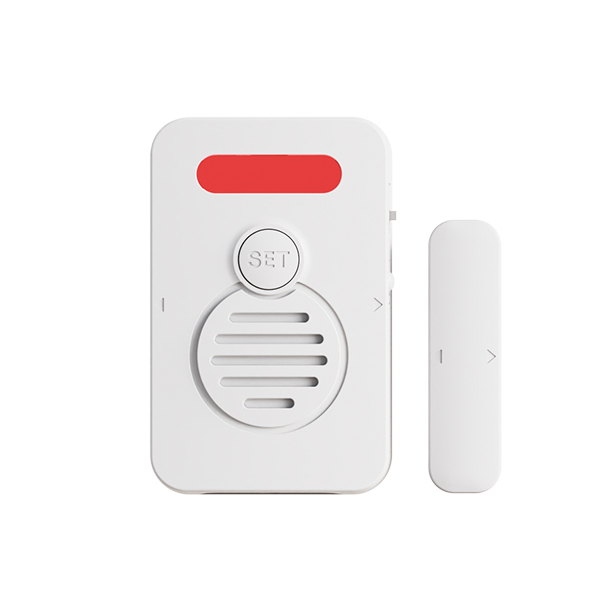
MC-08 Standalone Door/Window Alarm – Mult...
-
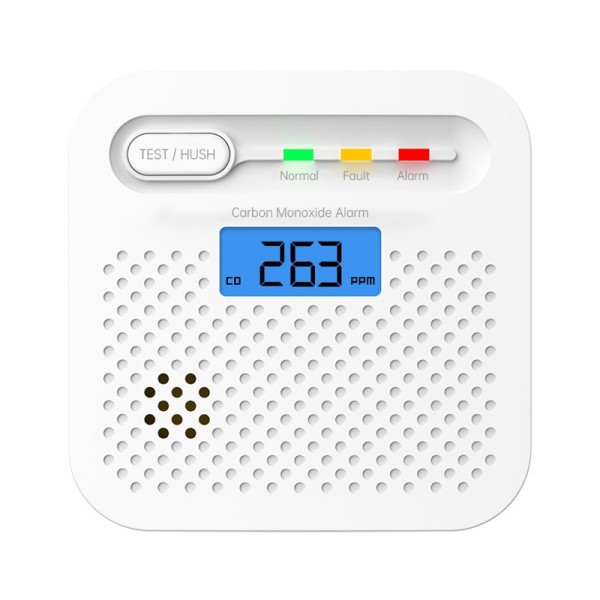
Y100A – battery operated carbon monoxide ...
-
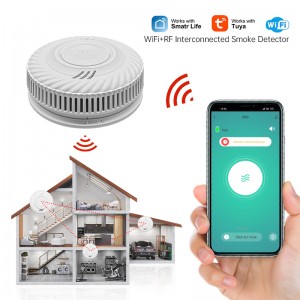
S100B-CR-W(WIFI+RF) – Wireless Interconne...
-
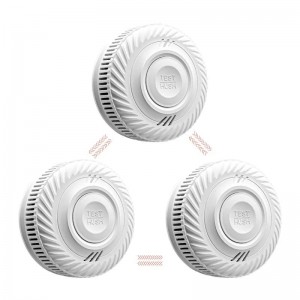
S100B-CR-W(433/868) – Interconnected Smoke Alarms
-
S100B-CR-W(WIFI+RF) – Wireless Interconne...
-
S100B-CR-W(433/868) – Interconnected Smoke Alarms
-
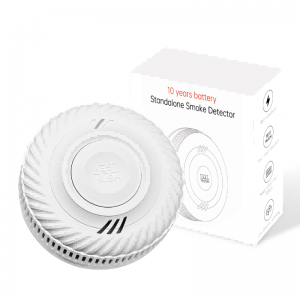
S100B-CR – 10 year battery smoke alarm
-
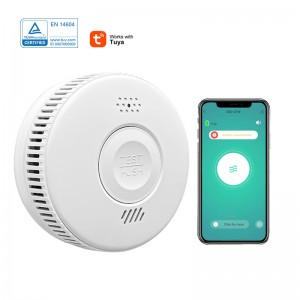
S100B-CR-W – wifi smoke detector
-
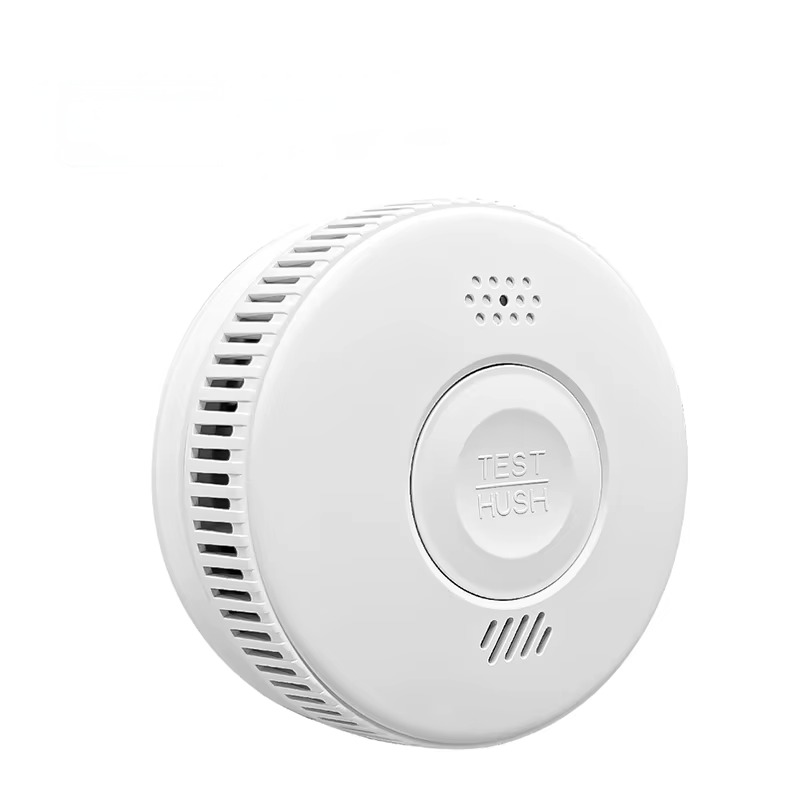
S100A-AA – Battery Operated Smoke Detector
-
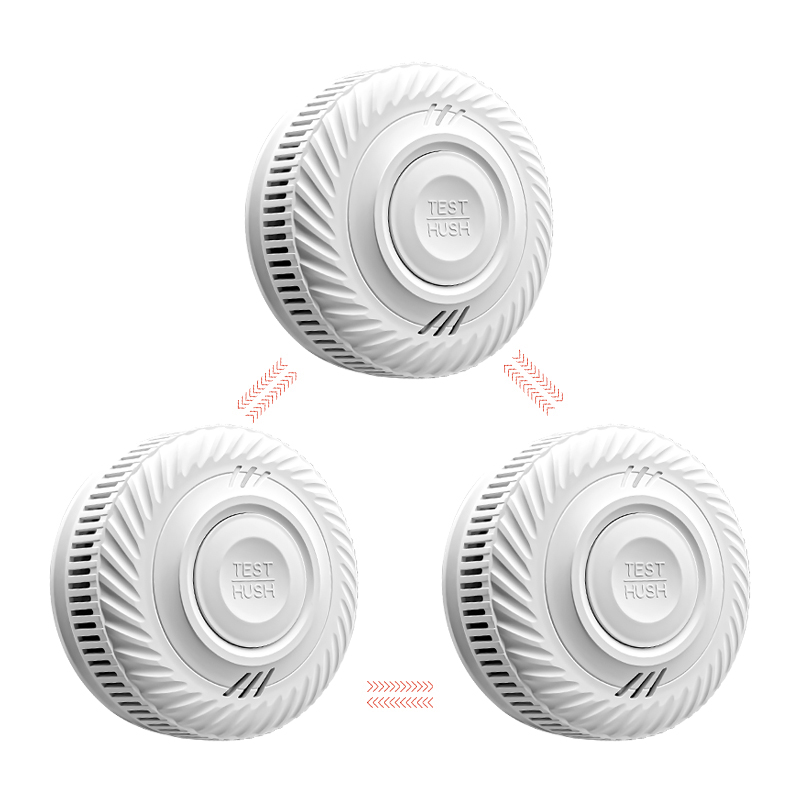
S100A-AA-W(433/868) – Interconnected Batt...
-
Y100A – battery operated carbon monoxide ...
-
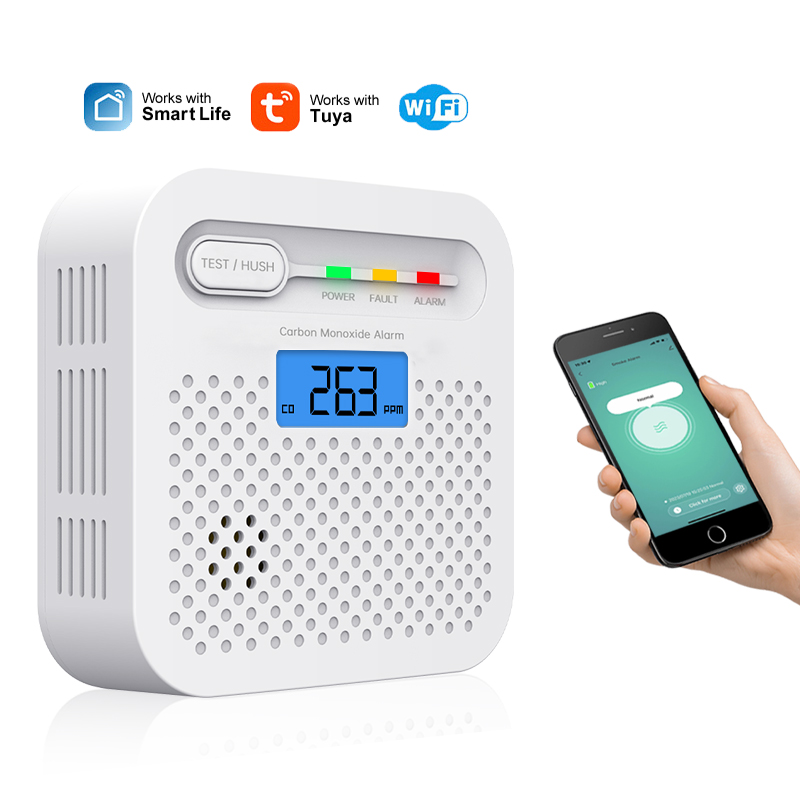
Y100A-CR-W(WIFI) – Smart Carbon Monoxide ...
-
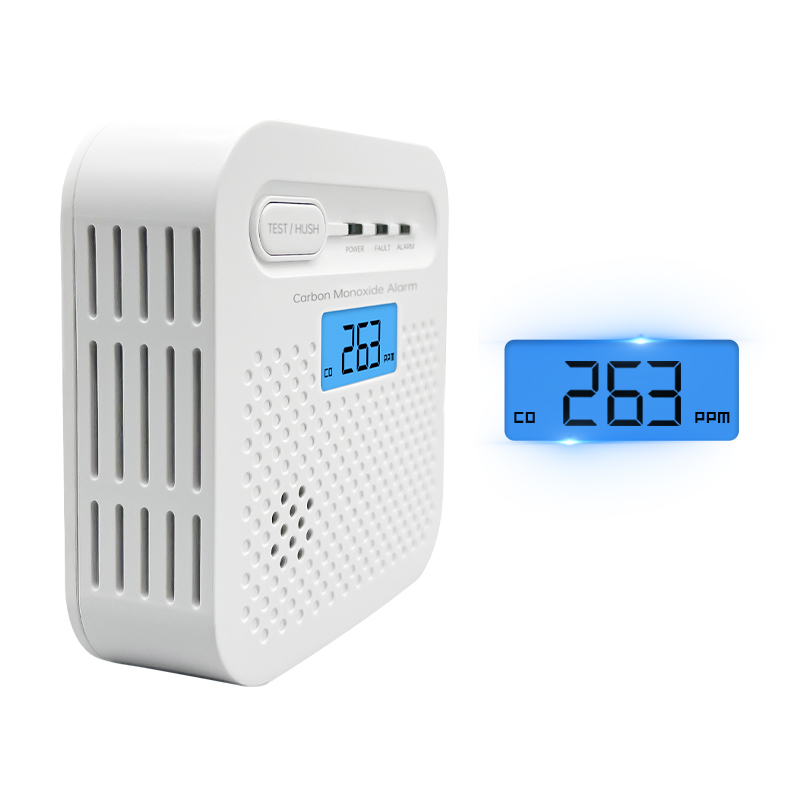
Y100A-CR – 10 Year Carbon Monoxide Detector
-
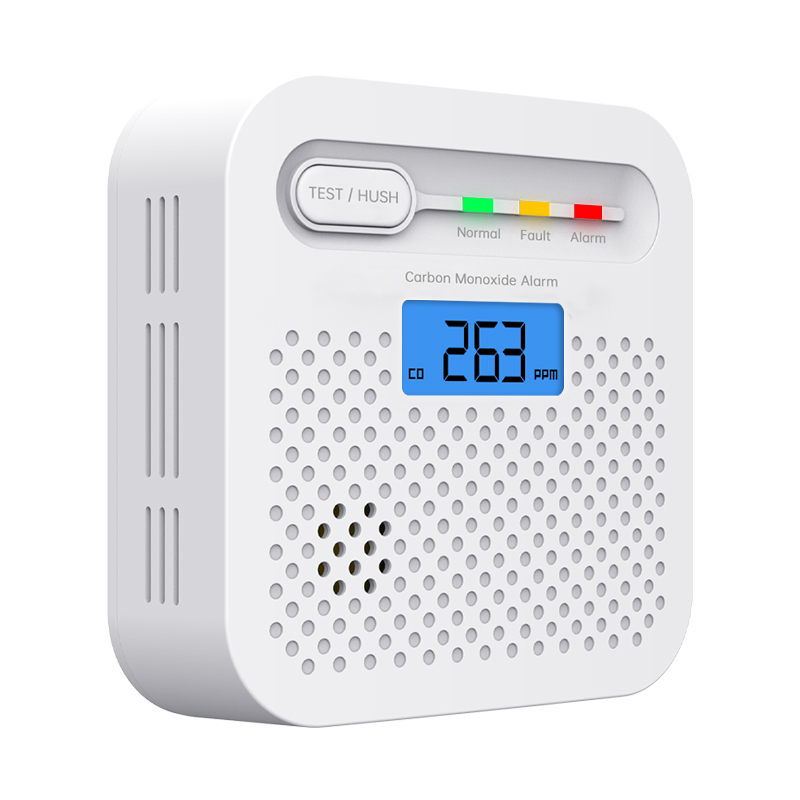
Y100A-AA – CO Alarm – Battery Powered
-
F03 – Vibration Door Sensor – Smart Prote...
-
MC-08 Standalone Door/Window Alarm – Mult...
-
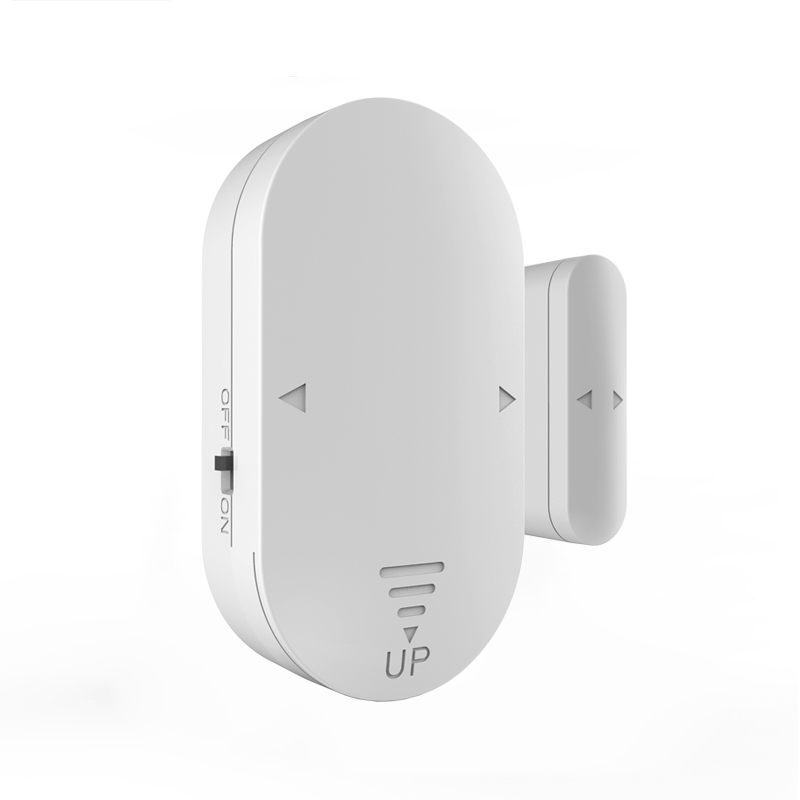
MC03 – Door Detector Sensor, Magnetic Con...
-
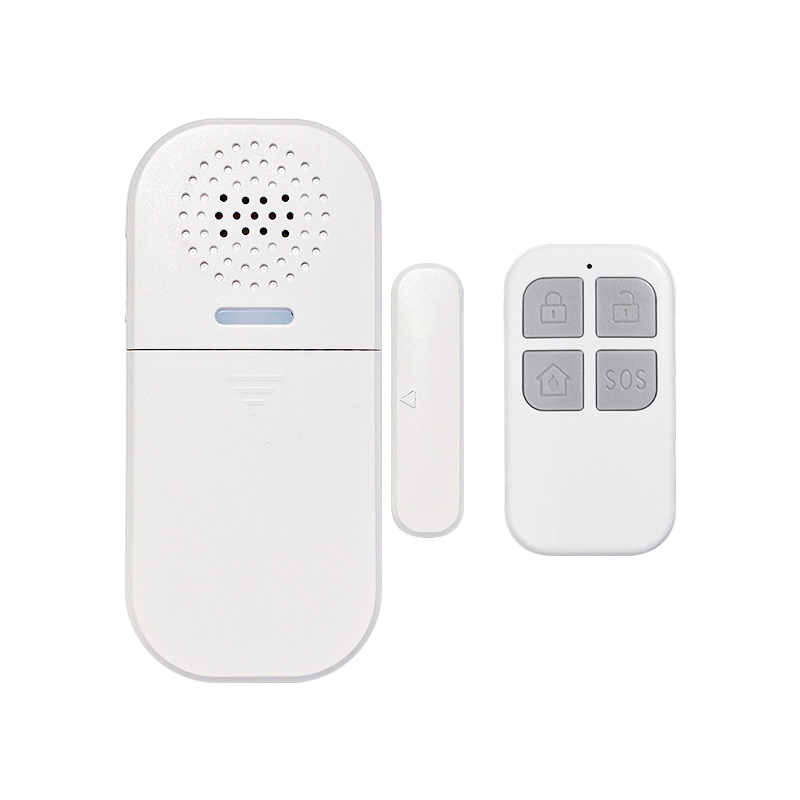
MC05 – Door Open Alarms with remote control
-
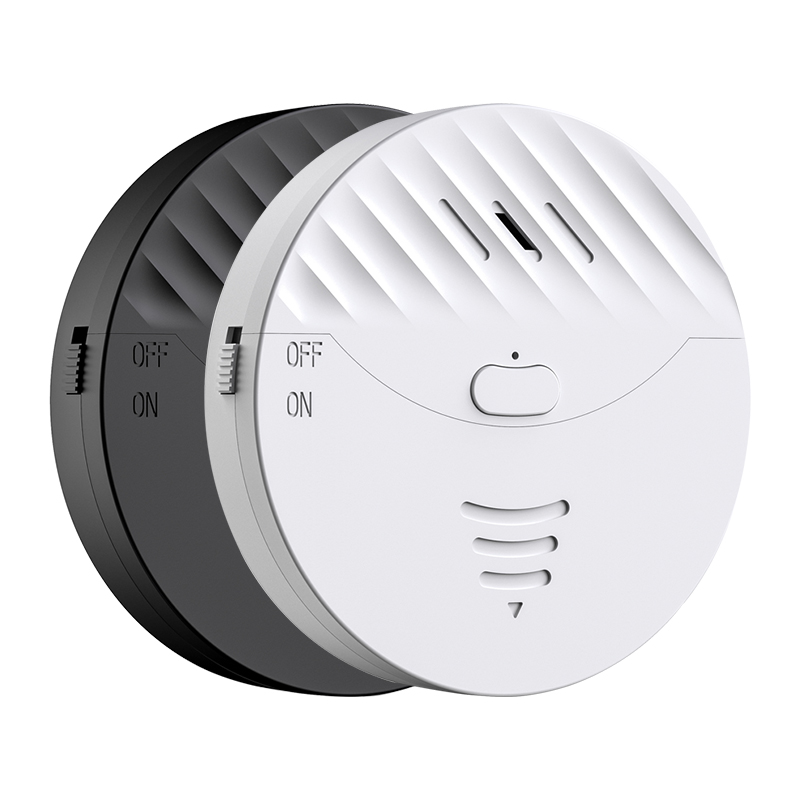
F03 – Smart Door Alarms with WiFi function
-
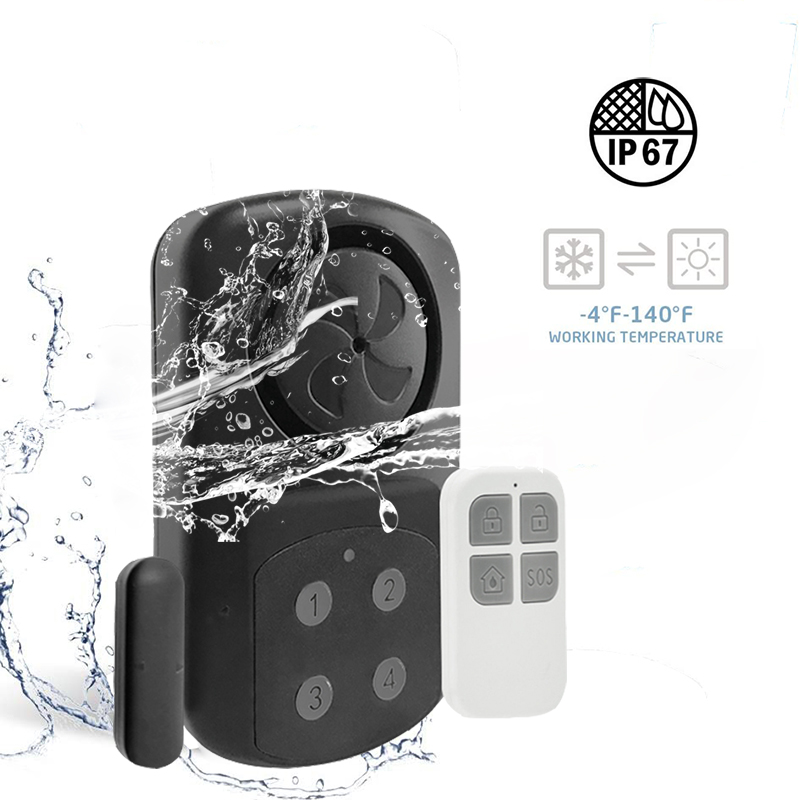
MC04 – Door Security Alarm Sensor –...
-
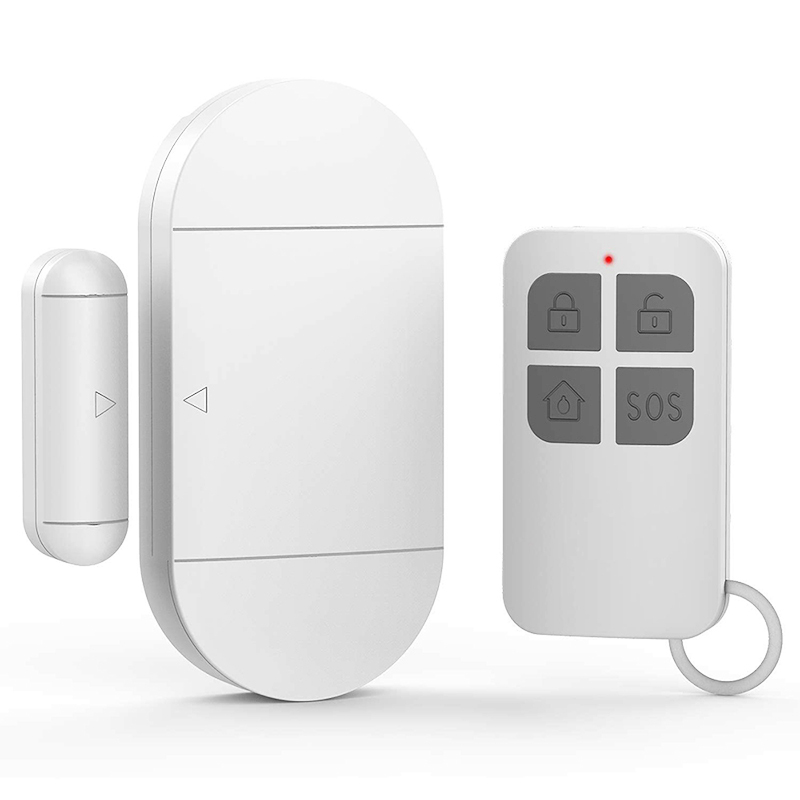
MC02 – Magnetic Door Alarms, Remote contr...
-
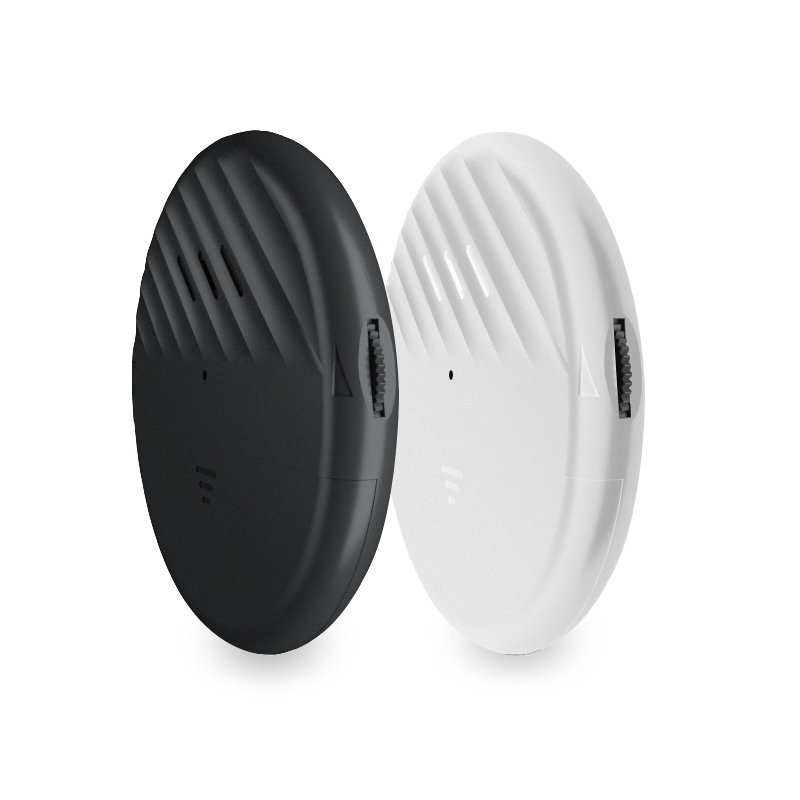
C100 – Wireless Door Sensor Alarm,Ultra t...
-
AF2006 – Personal Alarm for women –...
-

AF2004Tag – Key Finder Tracker with Alarm...
-

AF2007 – Super Cute Personal Alarm for St...
-
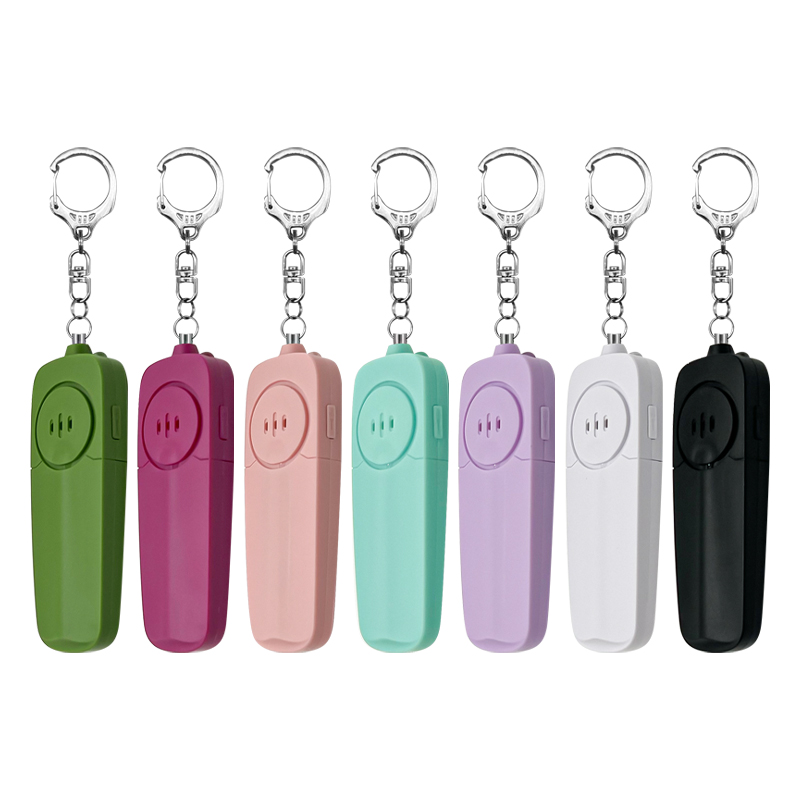
AF2005 – personal panic alarm,Long Last B...
-
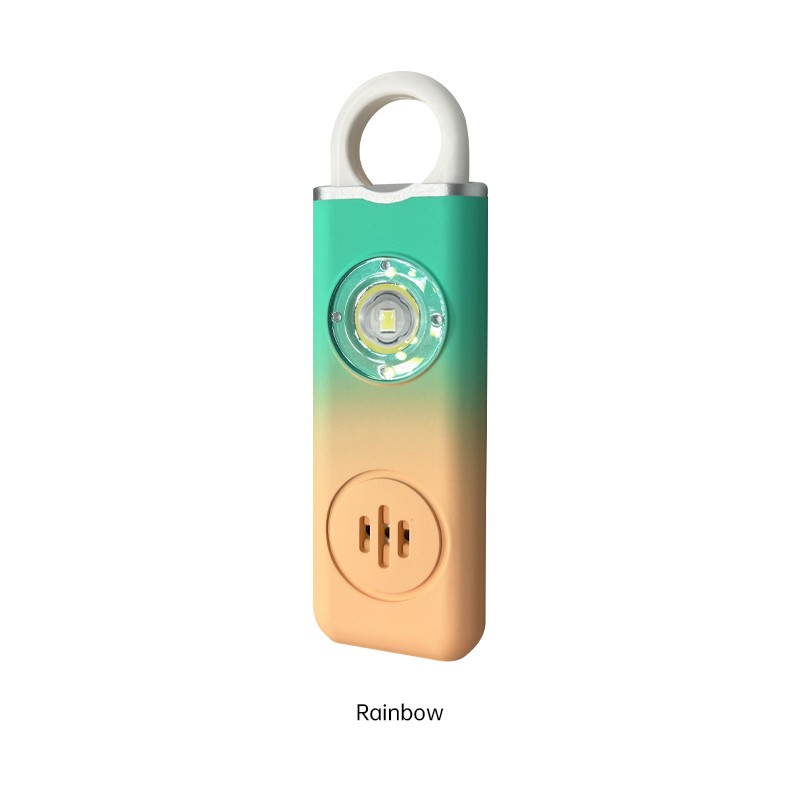
AF2004 – Ladies Personal Alarm – Pu...
-
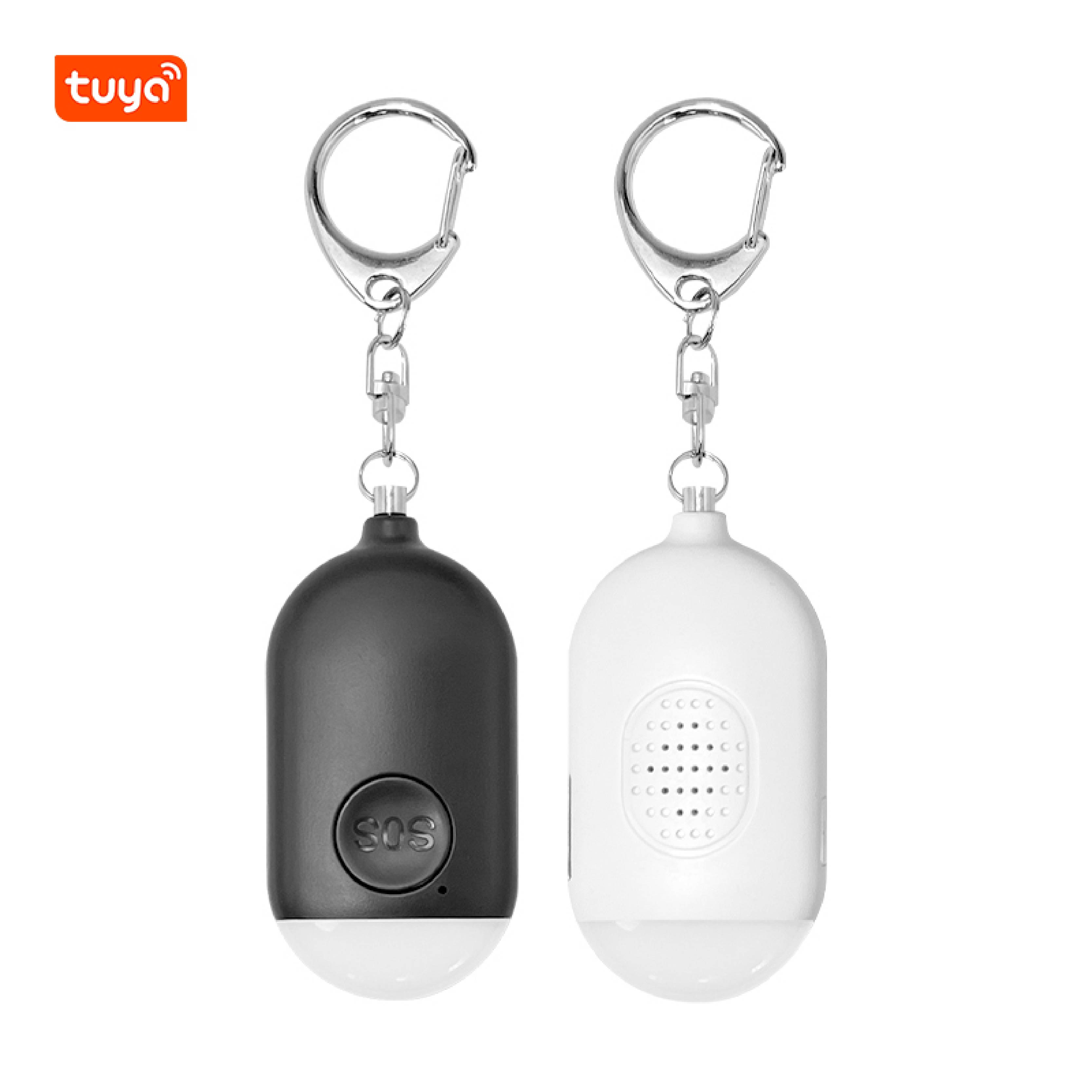
B500 – Tuya Smart Tag, Combine Anti Lost ...
-
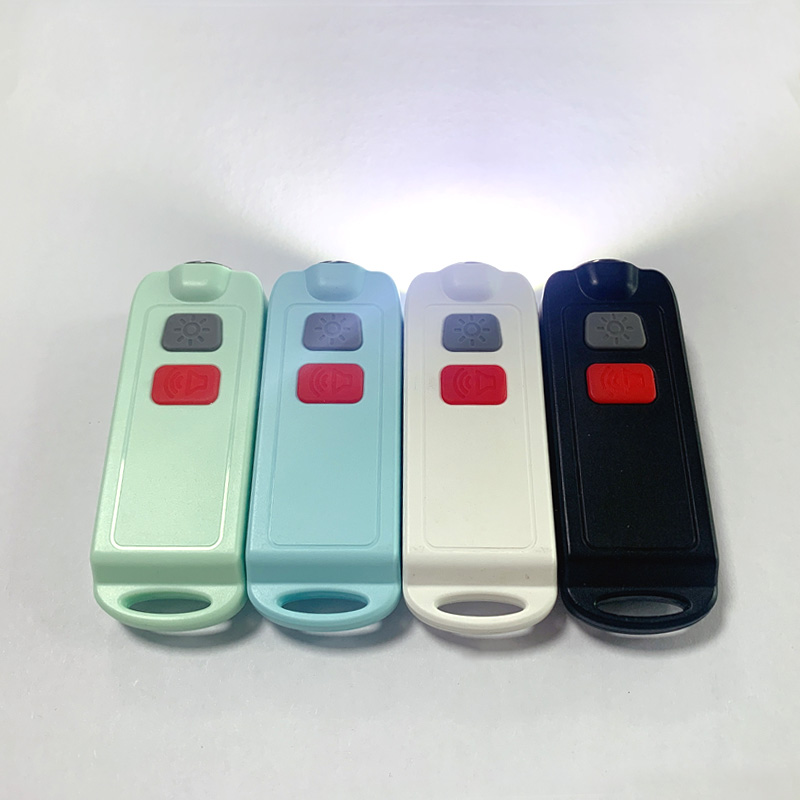
AF2002 – personal alarm with strobe light...
-
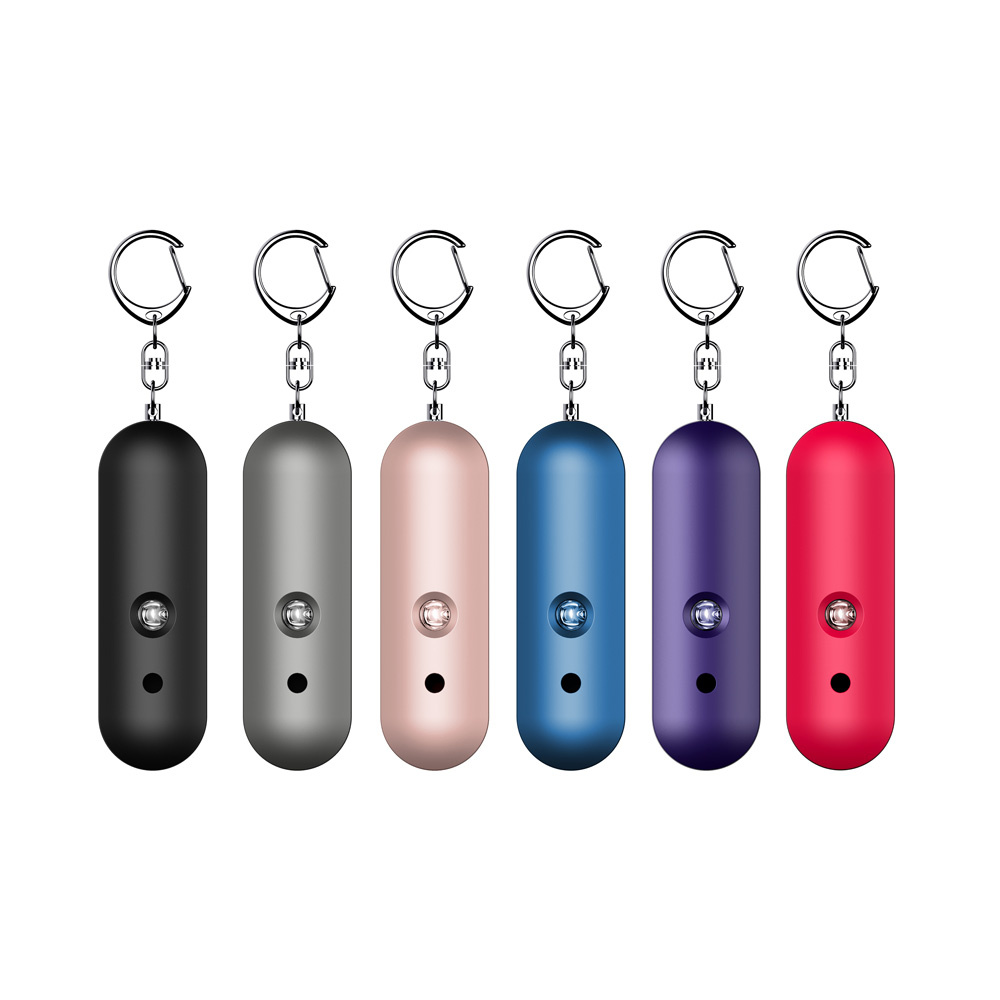
AF2001 – keychain personal alarm,IP56 Wat...
Explore the application areas
of our products
Tuya Smart Home Brands
For Tuya-based smart home brands, rapidly expanding a product line that matches market demand is essential. Certification, fast pairing, and consistent product design all play a key role in supporting brand growth and delivering a seamless user experience.
What We Offer:
-
Accelerated Tuya Integration:
 Leverage our official Tuya-certified Zigbee/WiFi modules for swift, reliable platform binding, getting your products to market faster.
 -
Seamless Brand Customization:From custom logos and packaging to unique housing designs, we ensure your brand identity shines consistently across your entire product line.
-
Focused Hardware Expertise:You manage the software and platform; we deliver robust, reliable hardware, perfectly built to your Tuya specifications.

Send An Inquiry
E-commerce Brands (Amazon / Walmart)
For e-commerce sellers, speed and compliance are everything when launching safety products. They need packaging that reflects their brand, certifications that pass platform checks, and products that arrive tested, labeled, and ready for shipment.
What We Offer:
-
E-commerce Launchpad:Get your products online faster with custom packaging, precise logo printing, and compliant barcode labeling – all set for immediate listing and fulfillment.
-
Agile Inventory Solutions:Benefit from low MOQs and dependable fast delivery, enabling you to manage stock efficiently, reduce risk, and quickly restock winning products.
-
Guaranteed Compliance & Quality:All products are EN, CE, RoHS certified and undergo rigorous pre-shipment functional testing, ensuring they meet platform requirements and delight your customers.

Send An Inquiry
Distributors & Gift Channels
Distributors and gift buyers focus on safety products that are easy to explain, ship, and sell in volume. Visual appeal, competitive pricing, and flexible order sizes make it easier to move inventory quickly across multiple channels.
What We Offer:
-
Market-Ready & Appealing Products:Leverage our official Tuya-certified Zigbee/WiFi modules for swift, reliable platform binding, getting your products to market faster.
-
Profitable Partnership Terms:Access competitive B2B pricing and flexible order quantities that maximize your margins and allow you to cater to diverse channel demands effectively.
-
Custom Branding for Channel Success:We support custom packaging and branding options, empowering you to create unique product offerings tailored to specific promotions or retail environments.

Send An Inquiry
System Integrators (Tuya / RF / Panel)
System integrators are tasked with delivering stable, scalable systems across homes and buildings. Success depends on hardware that communicates clearly with panels or gateways, fits into custom setups, and includes basic technical support when needed.
What We Offer:
-
Reliable Device-Only Supply:Focus on your system integration with our standalone, high-performance safety devices (smoke, CO, door sensors, etc.), designed for seamless hardware-level operation.
-
Broad Protocol Compatibility:Choose from RF433/868 or official Tuya modules, ensuring our devices integrate smoothly with your preferred control panels or gateway systems.
-
Flexible Module Integration Support:We can expertly assist with PCB layout for your specific communication modules or assemble client-supplied modules directly into our proven hardware designs, offering true customization.

Send An Inquiry

Certificate
-
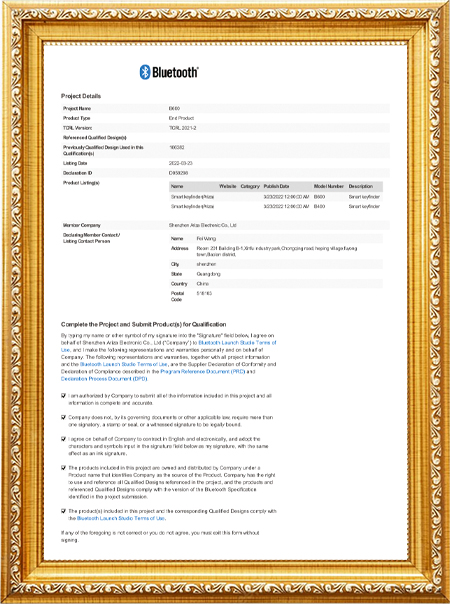
BQB
-
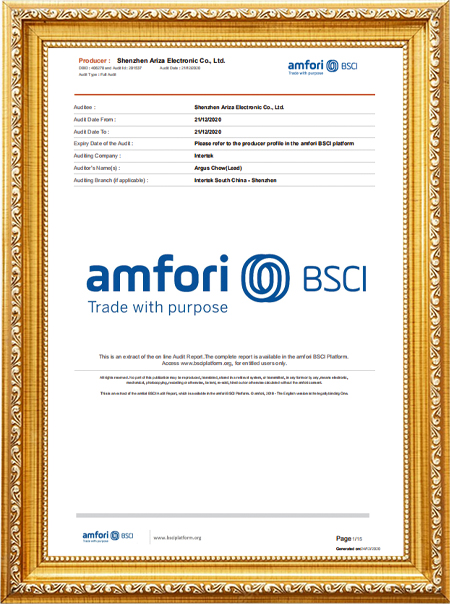
BSCI
-
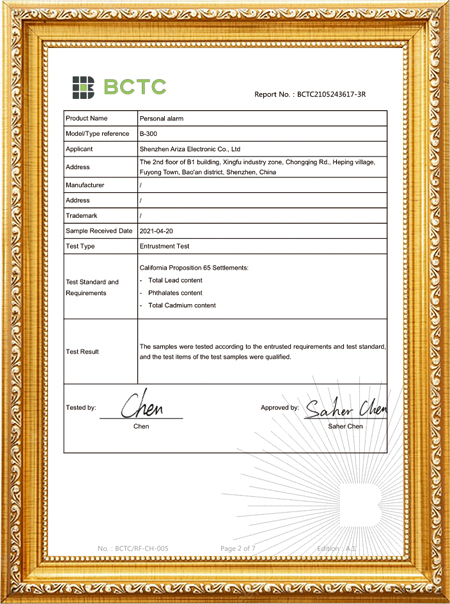
CA65
-
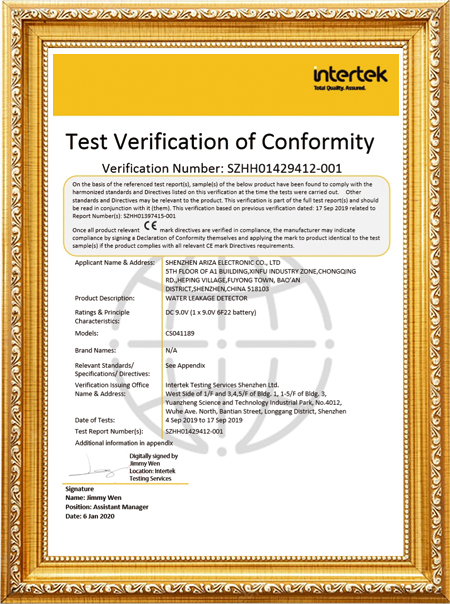
CE
-
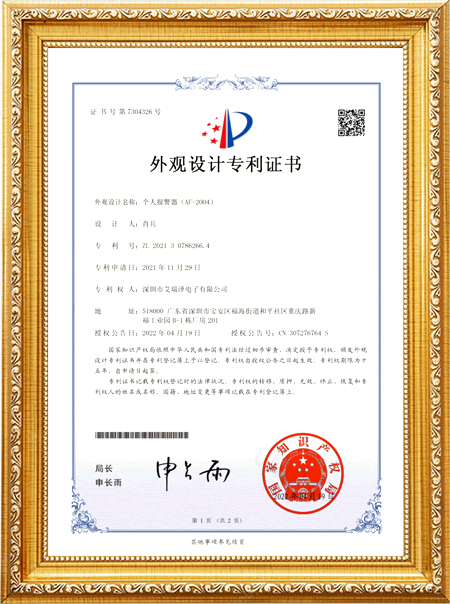
Design patent
-
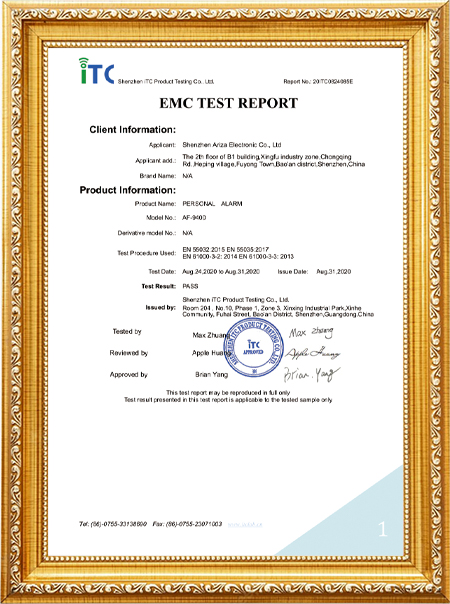
EMC
-
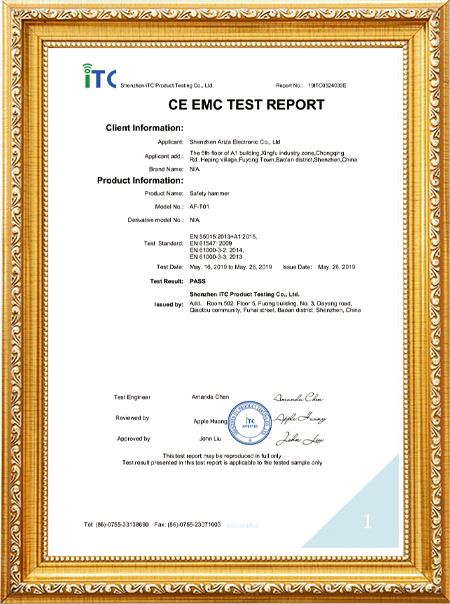
FCC
-
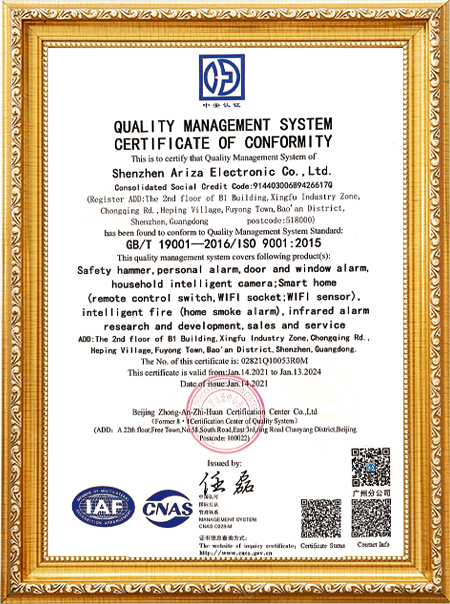
IOS90001
-
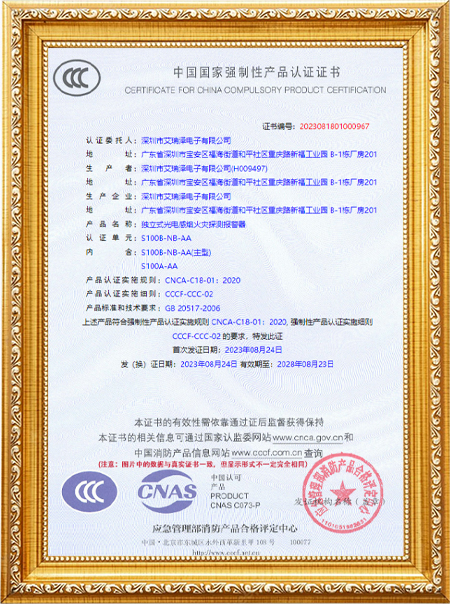
S100-3C
-
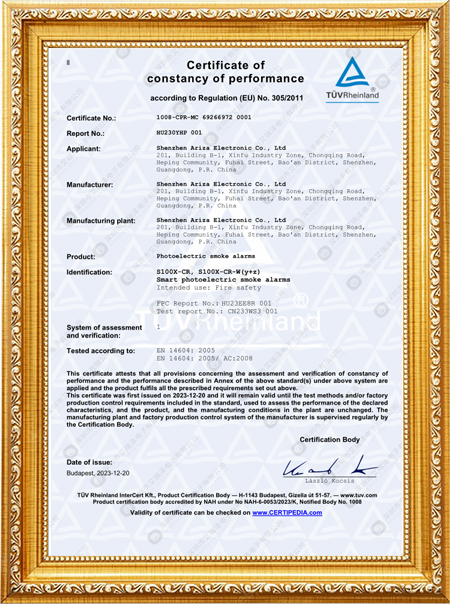
S100-Building regulations
-
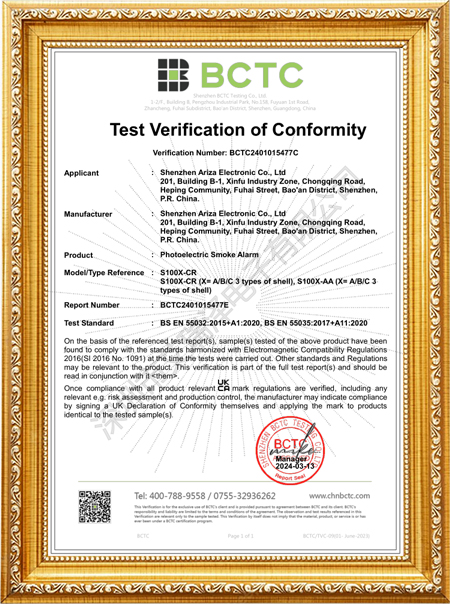
S100-UACK
-
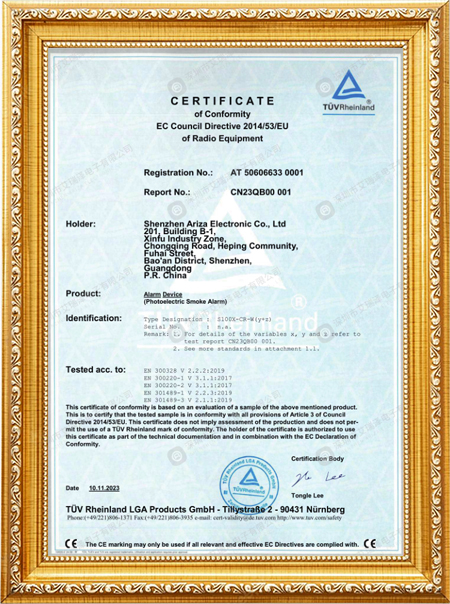
S100-Wireless Certificate
-
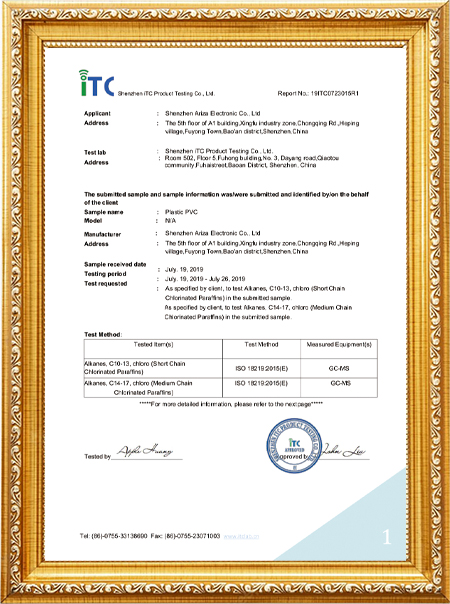
SCCP+MCCP
Our partners





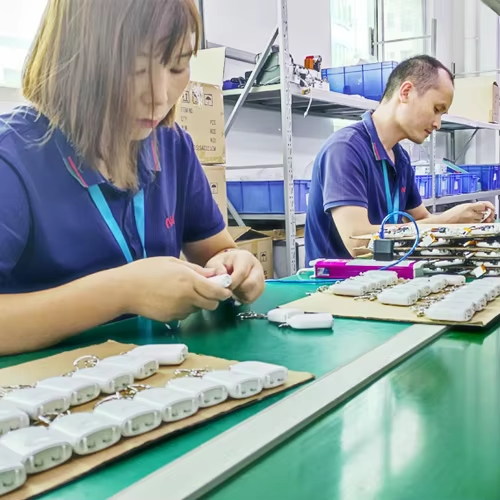
Our production process
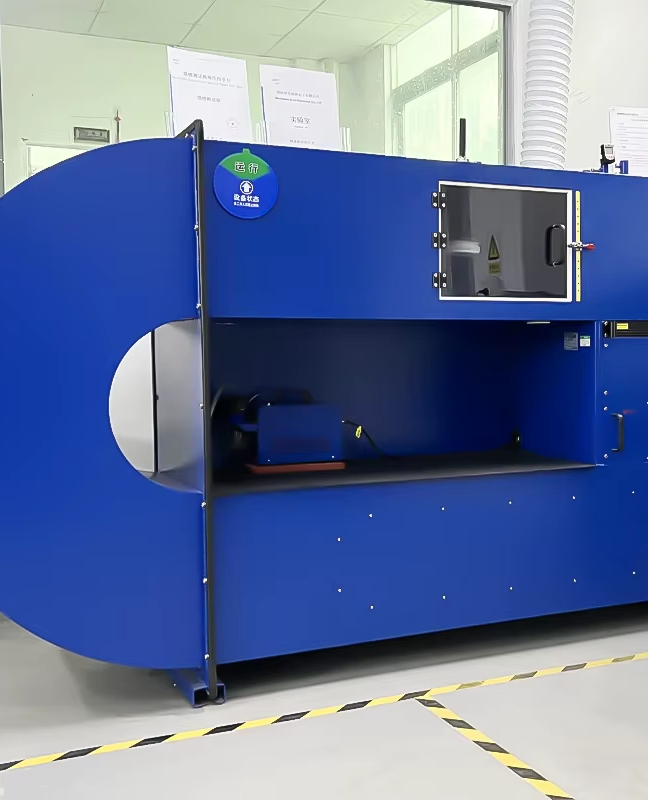
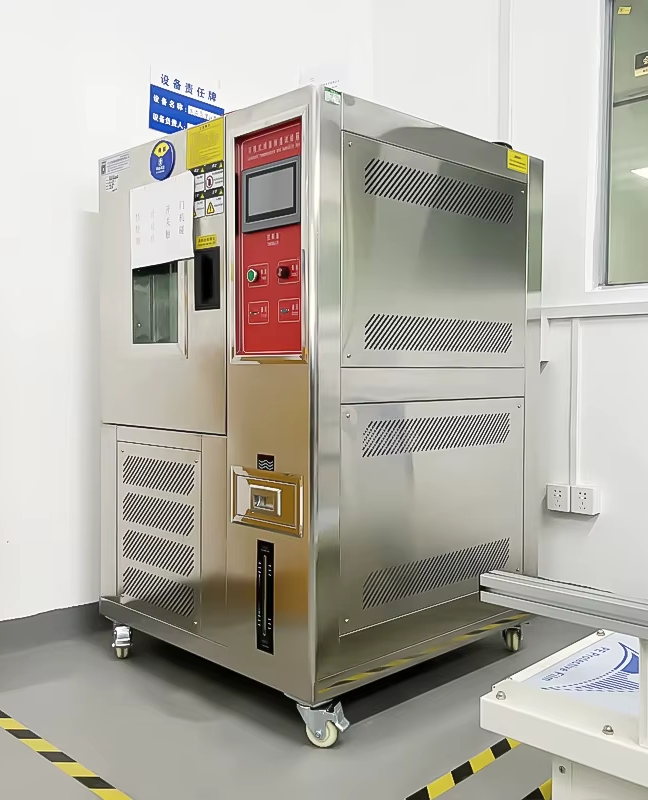
My test equipment

Mads Hey Mortenser
vP, Head of Global sales
vP, Head of Global sales
Need help with a project or program? We'd love to help.
Shenzhen Ariza electronics .,Ltd. is a leading manufacturer of high-quality, technologically advanced smoke alarms for a wide
Comprehensive FAQ: Smoke & CO Alarm Technical Details & Support
Q1: What sensor technologies do your smoke and CO alarms use?
Q2: What wireless protocols and frequencies do your products use?
A: Our devices primarily use WiFi (2.4GHz, IEEE 802.11 b/g/n) and RF interconnection protocols at 433/868 MHz, compatible with European market requirements.
Q3: How robust are your alarms in challenging environments (humidity, dust, extreme temperatures)?
A: Our alarms feature flame-retardant housings, conformal coatings (three-proofing) on PCBA, metal mesh for insect resistance, and interference shielding to ensure stable performance in challenging environments.
Q4: What is the battery lifespan, and how frequently does it need replacing?
A: We offer alarms with 3-year and 10-year battery life options, ensuring long-term reliability and reducing maintenance frequency.
Q5: How do you control false alarms?
A: We minimize false alarms by employing dual-optical-path technology (two transmitters and one receiver) in our photoelectric sensors. This technology detects smoke particles from multiple angles, accurately measures particle density, and differentiates genuine smoke from environmental interference. Combined with our built-in smart algorithms, anti-interference shielding, and precise calibration, our smoke alarms reliably detect real threats while significantly reducing false alarms.
Q1: Which Tuya modules do you use, and what communication do they support?
A: We use Tuya’s certified WiFi modules, primarily TY series Wifi module, supporting stable WiFi (2.4GHz) communication and seamless Tuya IoT platform integration.
Q2: Does Tuya firmware support OTA updates, and how are they implemented?
A: Yes, Tuya provides OTA (Over-the-Air) firmware updates. Updates can be executed remotely via the Tuya Smart Life app or your customized app integrated with Tuya SDK. here is the link:https://support.tuya.com/en/help/_detail/Kdavnti0x47ks
Q3: If we use the Tuya SDK, can we fully customize the app's UI and functionality?
A: Absolutely. Using the Tuya SDK, you can fully customize your app’s interface, branding, functionalities, and user experience to align precisely with your market needs.
Q4: Does using the Tuya cloud platform incur additional costs or device quantity limits?
A: Tuya's standard cloud service has flexible pricing plans depending on device quantity and features. Basic cloud access typically does not incur significant costs, but additional services or higher device counts may require tailored pricing from Tuya.
Q5: Does Tuya provide secure data transmission and storage?
A: Yes, Tuya IoT platform ensures end-to-end AES encryption and strict data protection protocols, fully compliant with GDPR standards in Europe, providing secure data storage and transmission.
Q1: What European certifications do your smoke and CO alarms hold?
A: Our smoke alarms are EN14604 certified, and our carbon monoxide alarms comply with EN50291, meeting stringent EU regulatory standards.
Q2: If we customize product appearance or internal structure, is re-certification needed?
A: Typically, significant changes to product dimensions, internal electronics, sensors, or wireless modules require re-certification. Minor adjustments, such as branding or color, generally do not.
Q3: Are Tuya wireless modules certified under CE and RED standards?
A: Yes, all Tuya modules integrated into our devices already hold CE and RED certifications for seamless European market access.
Q4: What tests does your certification process include (EMC, battery safety, reliability)?
A: Our certification covers extensive EMC testing, battery safety tests, reliability tests such as aging, humidity resistance, temperature cycling, and vibration testing, ensuring product durability and compliance.
Q5: Can you provide certificates and test reports for our regulatory documentation?
A: Yes, we can supply complete EN14604, EN50291, CE, and RED certificates, along with detailed test reports to support your regulatory filings and market entry processes.
Q1: How can your devices quickly integrate with existing fire/security systems?
Our alarms primarily utilize standardized RF communication (FSK modulation at 433/868 MHz). To ensure smooth integration with your existing systems, we recommend the following approach:
- RF Integration Capability Check:
Please confirm if your software engineers can interface your existing control panel with FSK-based RF transceiver chips. We can provide detailed RF protocol documentation to assist with this integration. - Custom RF Module Development:
If direct integration with our FSK-based communication proves challenging, you can provide us your defined communication protocols and specific hardware requirements. Our engineering team will develop a customized RF transceiver module tailored precisely to your specifications. - Turnkey RF Communication Solution:
If you currently don't have a defined RF communication protocol or specific hardware requirements, our team can design a complete RF module solution including UART-based serial communication and a suitable RF protocol, ensuring seamless connectivity with your control system.
Q2: Do you provide detailed technical documentation on communication protocols or interfaces?
A: Yes, we offer comprehensive technical documentation upon request, including our RF communication protocols (FSK modulation at 433/868 MHz), detailed interface specifications, command sets, and API guidelines. Our documentation is designed to facilitate efficient integration by your engineering team.
Q3: How many wireless alarms can be interconnected, and how do you handle signal interference?
A: For optimal system stability, we recommend interconnecting up to 20 RF wireless alarms. Our alarms utilize built-in anti-interference metal shielding, advanced RF signal filtering, and sophisticated anti-collision algorithms to effectively mitigate interference, ensuring reliable communication even in complex environments.
Q4: Do your battery-powered wireless smoke alarms support integration with smart home platforms such as Alexa or Google Home?
A: We typically do not recommend integrating battery-powered wireless smoke alarms directly with smart home platforms like Alexa or Google Home, as maintaining continuous WiFi connectivity significantly shortens battery life. Instead, for smart home integration scenarios, we recommend AC-powered alarms or using dedicated smart gateways compatible with Zigbee, Bluetooth, or other low-power protocols to balance connectivity needs and battery efficiency.
Q5: What auxiliary deployment solutions do you offer for large or complex installations?
A: For large-scale deployments or buildings with complex structures, we provide dedicated RF repeaters and professional guidance for RF signal amplification. These solutions effectively extend communication coverage, ensuring consistent, stable, and reliable alarm performance across extensive installation areas.
Q1: How quickly can your technical support team respond to technical issues or inquiries?
A: Our dedicated technical support team typically responds within 24 hours, providing immediate troubleshooting support and solutions.
Q2: Do you offer remote diagnostics or detailed log analysis for problem resolution?
A: Yes, our Tuya-based devices support remote diagnostics and provide detailed logs through the Tuya cloud, facilitating quick identification and resolution of technical issues.
Q3: Are periodic sensor calibrations or specific maintenance procedures required?
A: Our alarms are designed to be maintenance-free during the battery lifetime. However, we recommend periodic self-testing through the built-in test button or Tuya app to ensure long-term performance.
Q4: What technical support services do you include for customized projects?
A: For customized OEM/ODM projects, we provide dedicated engineering support, feasibility studies, detailed technical evaluations, and assistance throughout the entire product lifecycle.