


Featured Safety Devices for Rental Properties
Deploy these high-performance smart devices to ensure complete property safety and regulatory compliance.
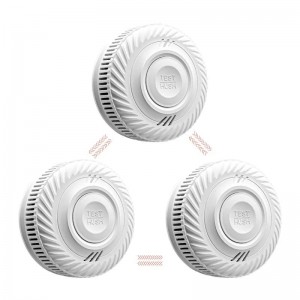
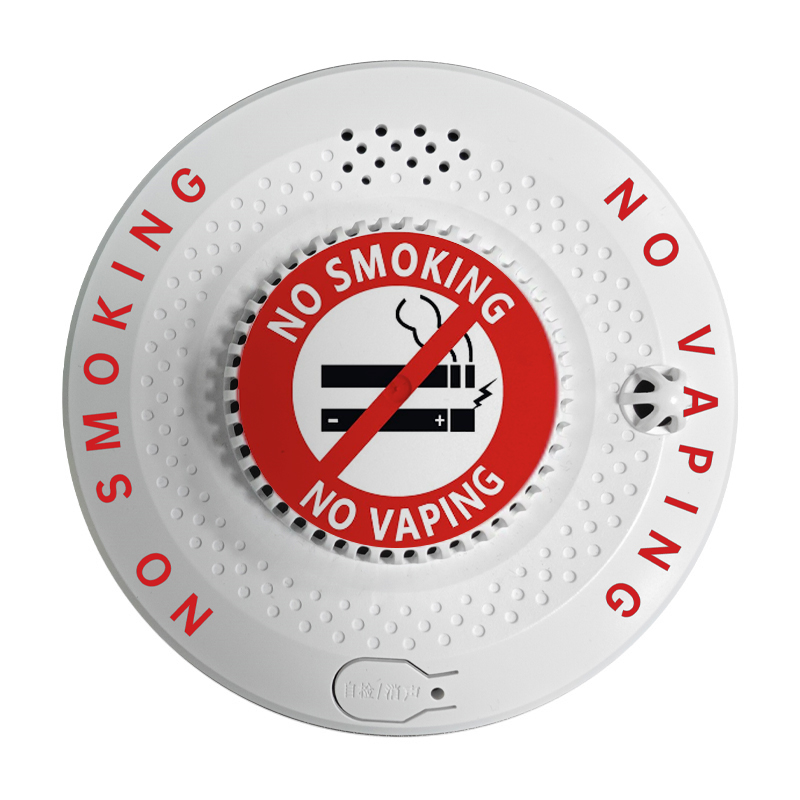
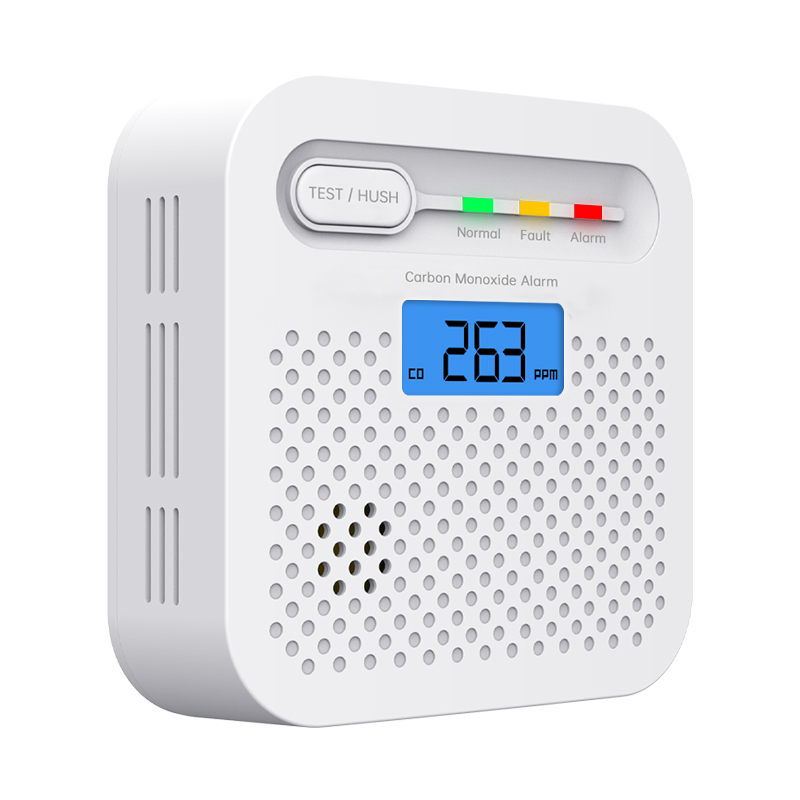
The Critical Role of Interconnected Smoke Alarms in Modern Rental & Vacation Properties
In the rapidly expanding short-term rental and vacation home industry, guest safety and asset protection have become paramount. Property managers, Airbnb hosts, and long-term landlords face unique challenges when it comes to fire safety. Traditional standalone smoke alarms are no longer sufficient to protect larger, multi-room vacation villas or multi-story rental units. When a fire starts in a remote area—such as a basement laundry room or an attic bedroom—guests on other floors may not hear the alarm until it is too late.
Industry Insight: "Interconnected smoke alarms solve this vulnerability. By utilizing RF (Radio Frequency) or smart IoT protocols, when one alarm detects smoke, all units in the network sound simultaneously. This rapid propagation of the warning signal can save lives, especially for guests unfamiliar with the property layout."
Why Standalone Alarms Fail in Rental Contexts
Standalone smoke detectors operate in isolation. In a vacation property with multiple rooms or levels, closed doors and soundproofing can reduce the decibel level of a distant alarm to near-inaudibility. Furthermore, vacationers are often in deep sleep or unfamiliar with the escape routes. Interconnected systems ensure that a fire detected in the garage immediately triggers the alarm in the master bedroom, providing the crucial extra minutes needed for safe evacuation.
Global Compliance and Legal Mandates
Regulatory frameworks worldwide are shifting towards mandatory interlinked alarm systems. In regions like the United Kingdom (specifically Scotland and parts of England/Wales), regulations now strictly require all rental properties to have interlinked smoke and heat alarms. Failure to comply can result in severe financial penalties, voided landlord insurance policies, and criminal liability. In the United States, NFPA 72 (National Fire Alarm and Signaling Code) mandates interconnected alarms in all new residential constructions and heavily influences local building codes for rental conversions.
Commercial Status and Technological Evolution in Smart Home Safety
The global market for smart home safety devices is experiencing exponential growth, driven by advances in IoT (Internet of Things) protocols and rising consumer awareness. For rental properties, this evolution means transitioning from basic RF-based interlinked alarms to hybrid systems that combine local RF connectivity with WiFi or Zigbee gateways.
1. RF 433MHz and 868MHz Mesh Networks
Local RF interconnection remains the backbone of reliable safety networks. Unlike standard WiFi, which can drop if the property's router fails, RF 433MHz or 868MHz systems form a localized mesh network. Each detector acts as a node, passing the signal along to ensure coverage across large estates and thick concrete walls without relying on external internet. This ensures that the primary life-safety function—sounding the alarm—is 100% reliable locally.
2. Smart App Integration (Tuya, Zigbee, WiFi)
Modern property managers require remote oversight. By integrating interconnected smoke alarms with smart ecosystems like Tuya, landlords receive real-time push notifications on their smartphones the moment an alarm is triggered or when a battery runs low. This remote monitoring capability is a game-changer for vacation home owners who live miles away from their investment properties, allowing them to dispatch emergency services or coordinate with local property contacts instantly.
3. 10-Year Sealed Lithium Battery Technology
One of the biggest operational headaches for landlords is the "chirping" smoke alarm caused by dying batteries. In rental properties, guests often take down or disable alarms to stop the noise, leaving the property unprotected and the landlord liable. The industry standard has shifted toward 10-year sealed lithium battery units. These detectors eliminate the need for annual battery replacements, ensuring continuous protection for the entire decade-long lifespan of the sensor.
Deep-Dive Application Scenarios for Property Managers
Understanding how to deploy these systems effectively requires analyzing specific scenarios commonly encountered in the vacation rental and property management sectors.
Scenario A: The Multi-Story Vacation Villa
Consider a three-story luxury vacation villa with a kitchen on the ground floor, bedrooms on the second and third floors, and a game room in the basement. Installing a standalone alarm on each floor leaves a dangerous gap. If a fire breaks out in the basement due to overloaded electrical outlets from gaming consoles, guests sleeping on the third floor may not hear the basement alarm. An interconnected system like the S100B-CR-W ensures that the basement trigger instantly alerts the third-floor occupants, allowing them to evacuate before smoke fills the stairwells.
Scenario B: Detecting Vape and Preventing Property Damage
Vacation home owners frequently struggle with guests violating "no smoking" or "no vaping" policies. Standard smoke alarms do not detect vape aerosols. By deploying specialized Vape Detectors with Voice Alerts alongside interconnected smoke alarms, property managers can detect vaping in real-time, play a localized voice warning to the guest, and send an instant alert to the property manager's phone. This proactive approach prevents property damage, persistent odors, and potential fire hazards associated with charging unauthorized vape devices.
Scenario C: Carbon Monoxide (CO) Integration
Carbon monoxide is a silent, odorless killer. Properties with gas heating, fireplaces, or attached garages must have CO detection. Integrating battery-powered carbon monoxide alarms like the Y100A-AA alongside interconnected smoke alarms creates a comprehensive safety shield. While smoke alarms protect against active fires, dedicated CO alarms guard against slow, invisible leaks, ensuring guests remain safe from all environmental hazards.

About Ariza
We are a world-leading smart alarm ODM company, focusing on the field of security alarms for 16 years. Our services span more than 30 countries and regions, and cooperating with more than 3,000 global brand customers. We are deeply engaged in technological innovation and holding more than 60 patents. What’s more, we focus on quality and have passed TUV EN14604, EN50291, and mandatory CCC certification.
We work closely with Tuya-based smart home brands, IoT integrators, and security system developers to bring product concepts to life. Our OEM/ODM services cover everything from PCB-level customization to private label branding, helping clients reduce R&D time, lower production costs, and speed up go-to-market.
With certified Tuya WiFi and Zigbee modules, and support for RF 433/868 MHz protocols, Ariza ensures smooth integration into your smart ecosystems. Whether you're scaling retail channels or launching your own platform, our proven manufacturing and engineering support gives you an edge.
Learn More About Us3 Simple Steps to Your Customized Security Devices
We provide fast, efficient, and precise customization services to make your experience stress-free and seamless.

1. Share Your Needs
Just tell us your ideas! Features, design, anything custom – we listen and understand your unique requirements to kickstart the process easily.

2. Design & Sample Approval
Review our detailed design plan and a physical sample. We provide a clear, transparent quote upfront. Your approval ensures we proceed exactly to your expectations.

3. Quality Control & Delivery
Once you approve, we handle everything smoothly – from precise production and branding to rigorous quality checks and timely, safe delivery of your customized products.
Our Partners





Explore Our Full Range of Smart Security Products
Professional-grade smart safety and environmental monitoring solutions for global ODM/OEM clients.